


By Mercedes Quintanilla.
Nature is more than an aesthetic reference: it is part of how we experience our spaces and how they can influence our well-being and performance.
In an increasingly urbanized world, we spend much of our lives inside buildings. Yet designing spaces that respond to human needs requires considering more than appearance and functionality: it requires understanding our relationship with nature.
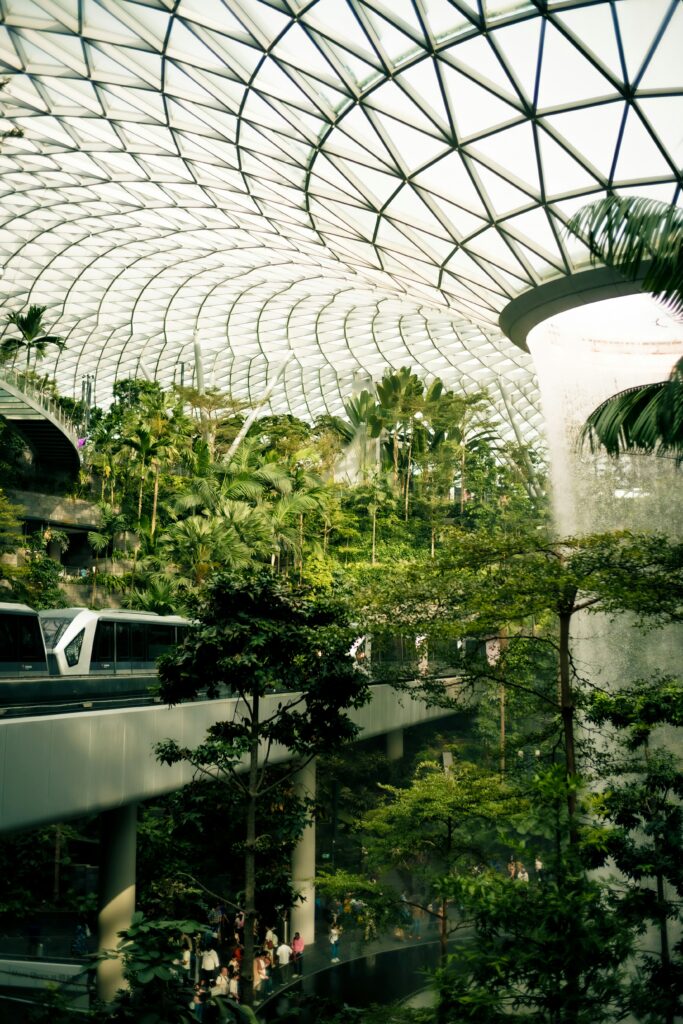
Biophilic design brings this connection into architecture and interior design through intentional decisions that integrate natural elements and respond to the experience of the people who inhabit these spaces. As Stephen R. Kellert and other leading figures in the field have emphasized, it is not simply about adding vegetation, but about establishing a meaningful relationship between people, the built environment, and natural systems.
The Fundamental Principles of Biophilic Design
To integrate nature effectively, it is important to consider five principles:
- Connection with nature: incorporate natural light, outdoor views, vegetation, and natural materials into everyday experiences.
- Human-centered design: understand how people use and perceive spaces to integrate nature according to their needs and activities.
- Sensory experience: consider light, textures, forms, and materials to create cohesive environments that respond to how we perceive our surroundings.
- Everyday contact with nature: facilitate connections with gardens, courtyards, terraces, and natural views in both residential and workplace environments.
- Integration from the planning stage: consider orientation, lighting, materials, and vegetation from the earliest stages of a project, coordinating functionality, aesthetics, and environmental responsibility.
The Benefits of Biophilic Design
Beyond its aesthetic value, biophilic design can contribute to a better experience of our surroundings. Its effects depend on the context, the people involved, and how its principles are implemented.
- Physical well-being: access to nature and certain natural environments has been associated with indicators of reduced stress. Natural lighting can also support circadian rhythm regulation when thoughtfully planned.
- Psychological well-being: connections with nature may contribute to a more positive perception of the environment and support recovery from mental fatigue. Effects vary according to individual needs and circumstances.
- Attention and social interaction: natural views, lighting, and spaces connected to the outdoors can support the workplace experience and provide opportunities to rest and interact with others.
Integrating these principles requires looking beyond plants or materials that resemble natural elements. It also means evaluating material durability, resource consumption, and the project’s relationship with its surroundings.

Designing with Nature Means Designing with Intention
At Mercedes Quintanilla Design Studio (MQDS), we see design as a tool for improving the human experience. Every decision should serve a purpose and contribute to the relationship between functionality, aesthetics, well-being, and performance.
Biophilic design invites us to recognize that nature is not an accessory, but a dimension that deserves consideration from the beginning of every project.
A well-designed space should do more than look good. It should respond to people, support their needs, and establish a coherent relationship with the natural environment.


Read the Comments +