


By Mercedes Quintanilla.
Nature is not a decorative element. It is a dimension of design that influences how we perceive, inhabit, and experience spaces.
We spend much of our lives indoors. We work, rest, make decisions, and share important moments within spaces that shape our everyday lives. Yet when thinking about architecture and interior design, it is easy to focus on layout, furnishings, and aesthetics without considering a fundamental question: How does this environment influence the experience of the people who inhabit it?
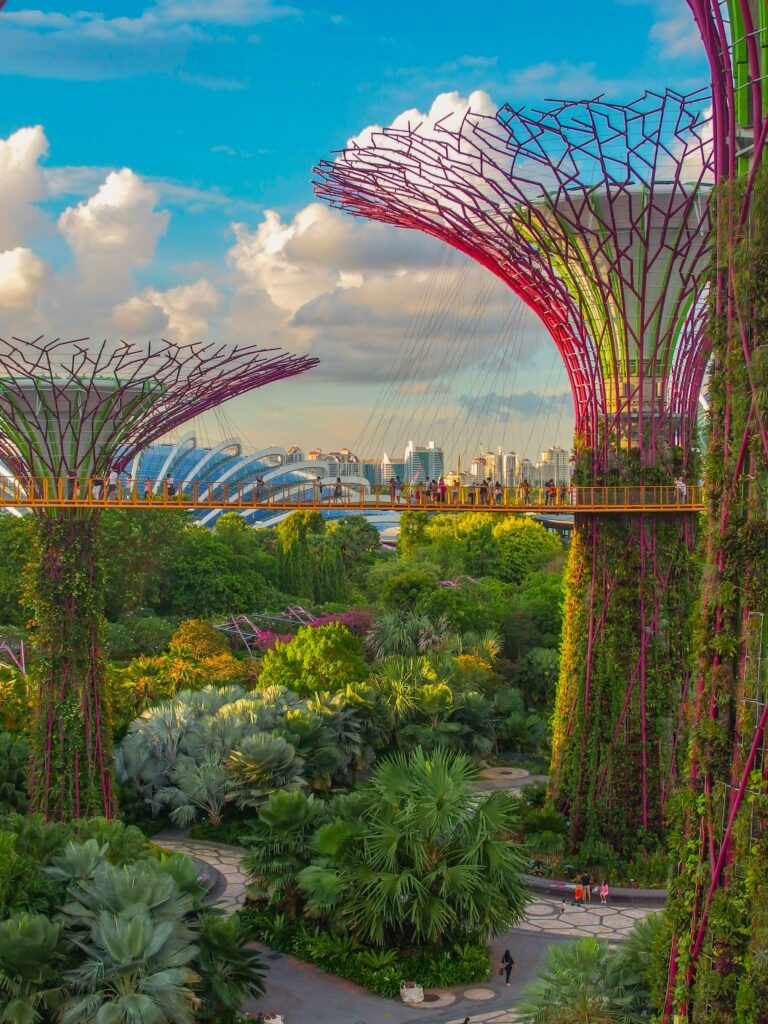
The light entering through a window, the texture of stone, the presence of vegetation, or a view of the outdoors can change how we perceive a place. These are not isolated details; they are design decisions that contribute to creating environments with a distinct sensory identity and a stronger relationship with the natural world.
This is where biophilia and biophilic design become relevant. Understanding these concepts allows us to look beyond visual appeal and consider how nature can be intentionally integrated into the spaces where we live and work.
Biophilia: Understanding Our Connection to Nature
The term biophilia was popularized by biologist Edward O. Wilson to describe the human affinity for living things and natural systems.
Although our relationship with nature varies depending on the individual and the context, natural environments offer visual, tactile, and sensory stimuli that shape our everyday experiences. However, urban living and the amount of time we spend indoors can limit our direct contact with nature.
From an architectural and interior design perspective, recognizing this connection means asking how the built environment can better respond to human needs.
It is not simply about adding plants or choosing materials that look natural. It is about understanding how light, views, textures, forms, and connections to the outdoors contribute to the way we experience a space.
Design becomes truly intentional when we stop asking only how a space will look and begin evaluating how it will function for the people who use it.
Biophilic Design: Integrating Nature with Intention
Biophilic design translates our affinity for nature into practical architectural and interior design strategies. Its purpose is to strengthen the relationship between people, built environments, and natural systems through decisions that respond to the context, the intended use, and the needs of the people who inhabit those spaces.
This integration can take several forms.
1. Natural Light and Visual Connections to the Outdoors
Window placement, spatial depth, views, and connections to courtyards or gardens influence how we perceive an environment.
Natural light also plays an important role in our circadian rhythms, which help regulate sleep-wake cycles. For this reason, natural light should be considered from the earliest stages of design, alongside glare control, privacy, and heat gain.
Having windows is not enough. Their location, what they frame, and how lighting responds to the activities taking place in each space all matter.
2. Materials and Textures That Enrich the Sensory Experience
Wood, stone, and other materials with natural variations can bring visual depth, texture, and character to an environment.
Their value goes beyond appearance. Touch, scale, finish, and the way each material relates to the others also shape the experience of a space.
Material selection should also account for durability, maintenance, sourcing, and environmental impact. A well-chosen material does more than complement the aesthetic; it responds to the project’s practical demands and to the experience of the people who use it.
3. Vegetation and Contact with Natural Systems
Plants, gardens, and other forms of vegetation can introduce visual variation, connect interiors with the outdoors, and bring the rhythms of nature closer to everyday life.
However, incorporating vegetation requires more than an aesthetic decision. Available light, ventilation, irrigation, maintenance, and the specific needs of each species must all be considered.
When these factors are addressed from the beginning, vegetation can become an integral part of the architecture rather than an element added without a clear purpose.
4. Forms and Patterns Inspired by Nature
Nature can also be expressed through organic forms, patterns, variations in scale, and compositions that evoke natural structures.
These references can appear in surfaces, furnishings, artwork, architectural features, or design details. They allow visual connections to nature even in places where direct access to the outdoors is limited.
The key lies in composition. A pattern, texture, or shape does not need to stand out on its own; it can contribute to a more cohesive spatial experience when considered alongside lighting, materials, and layout.
Biophilic design is not about filling a space with natural elements. It is about establishing an intentional relationship between those elements, the architecture, and the people who inhabit the space.
From Biophilic Design to Everyday Experience
A space can be functional and still fall short of fully meeting the needs of the people who use it.
An office may have ergonomic furniture but offer little natural light and no visual connection to the outdoors. A home may have an efficient layout yet overlook opportunities to take advantage of views, natural ventilation, or vegetation.
These situations illustrate why design requires a comprehensive perspective. Functionality, aesthetics, sensory experience, and connections to nature should not be treated as independent considerations.
In a home, natural light, views, and materials can help create more inviting environments suited to rest and everyday living. In a workplace, visual connections to the outdoors, thoughtfully planned lighting, and carefully integrated natural elements can contribute to a more positive perception of the environment and support well-being.
The results depend on multiple factors, including the characteristics of the space, the needs of its occupants, and the quality of the design decisions. There is no single solution that works for everyone.
From a human-centered perspective, the starting point is understanding how a space is used, what needs it must address, and which conditions can be improved.
The question is not simply which natural elements we can incorporate. It is how we can integrate nature so that the space better serves the people who live and work in it.
Biophilic Design and Environmental Responsibility
Integrating nature into a project also means reflecting on our relationship with resources and the long-term impact of design decisions.
An environment filled with vegetation is not necessarily sustainable. Similarly, a material that evokes nature does not automatically represent an environmentally responsible choice.
Sustainability requires evaluating the project as a whole: energy and water consumption, material durability, maintenance requirements, climate conditions, and the building’s relationship with the site and existing vegetation.
This can translate into practical decisions: positioning openings to take advantage of natural light without causing overheating, selecting materials suited to the climate, reducing unnecessary resource consumption, and preserving existing vegetation whenever feasible.
These decisions are more effective when considered during the earliest stages of a project, before the layout and building systems have already been established.
In this sense, biophilic design can be part of a broader strategy for responsible design: one that considers both the human experience and the long-term performance of the built environment.
Designing with Nature Means Designing for People
Biophilia invites us to reconsider the relationship between built environments and the natural world. Light, views, materials, textures, and vegetation are not secondary details; they are part of how we perceive and experience the places we inhabit.
For this reason, integrating nature into design should not be a decision driven solely by aesthetics. It is an opportunity to create environments that respond more thoughtfully to our needs, activities, and ways of living.
At Mercedes Quintanilla Design Studio (MQDS), we see design as a tool for improving the human experience. Our approach combines Human-Centered Strategy, Aesthetic Intelligence, Restorative Functionality, and Performance-Driven Design.
Every decision should have a purpose. From window placement to finish selection, we seek to ensure that the elements of a space work together to support its intended function and enrich the experience of the people who use it.
Because a well-designed space should do more than look good. It should function intelligently, respond to people, and establish a coherent relationship between aesthetics, well-being, and the surrounding environment.
Nature offers far more than visual inspiration. When integrated with intention, it becomes part of a design strategy that places the human experience at its center.


Read the Comments +