


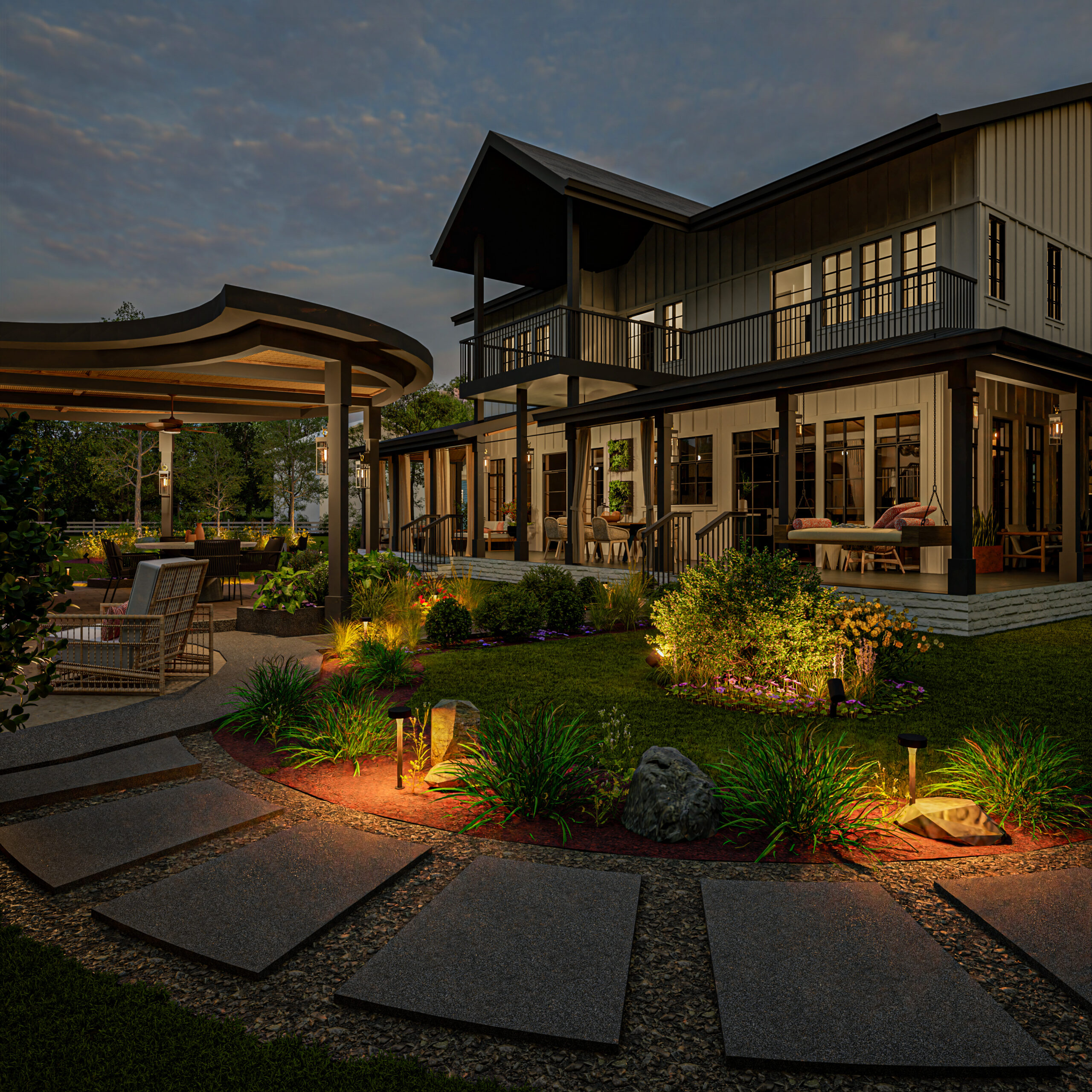


Let me start with something very simple.
Most people think of their home as the place where “the day ends.”
You arrive. Take off your shoes. Sit down. Sleep.
But very few people stop to ask this question:
Is my home helping me recover… or is it just housing me?
Because those two things are not the same.
Housing you means giving you a roof.
Helping you recover means giving you your energy back.
And when you live a demanding life—mentally, emotionally, professionally—that difference changes everything.
I want you to think about how you arrive home most days.
Not just physically, but internally.
How your mind arrives.
How your body arrives.
How your nervous system arrives.
Because even if you don’t always notice it, you arrive carrying things.
You’re carrying decisions. Responsibilities. Conversations. Noise. Screens. Expectations. Schedules. Payments. Contracts.
The list can feel endless.
And here’s an uncomfortable truth: many homes are not designed to receive someone who is tired.
They are designed to look good.
To copy an Instagram photo.
To entertain.
To impress.
To meet an aesthetic idea.
But not to protect the rest of the people who live there.
In our studio, when we design residential projects, there is one question that guides everything:
Will this space help this person recover… or will it ask for more from them?
That question guides every decision, in every corner.
Because resting is not just sleeping.
Resting is lowering your guard.
It’s allowing your body to stop being on alert.
It’s feeling that, for a moment, you don’t have to respond, perform, or hold everything together.
And that doesn’t happen by accident.
That is designed.
Let me share something with you. In one of our most recent residential projects, the main goal was not to “impress guests.”
It was to protect rest.
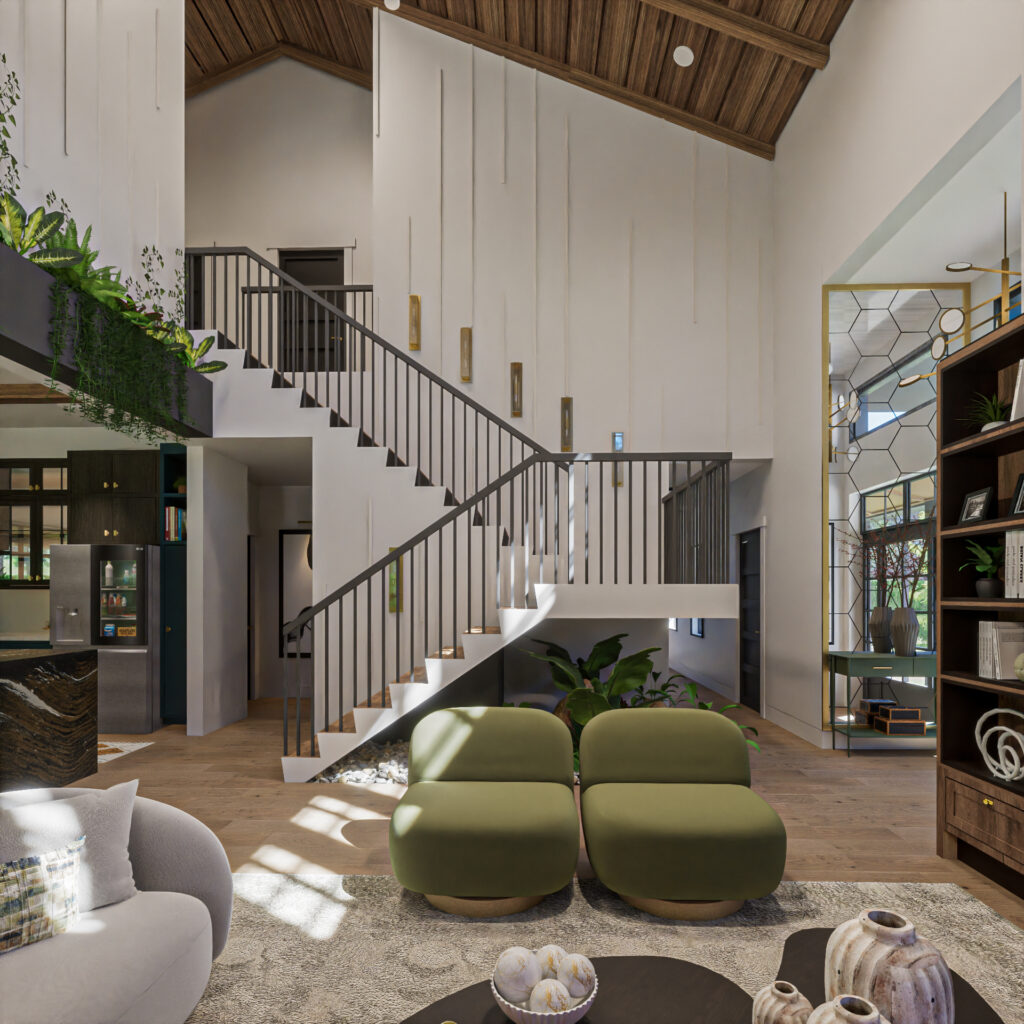
From the beginning, the focus was clear: create a home that helps its residents wake up feeling renewed—not just a place where they sleep under the same roof.
What did we do?
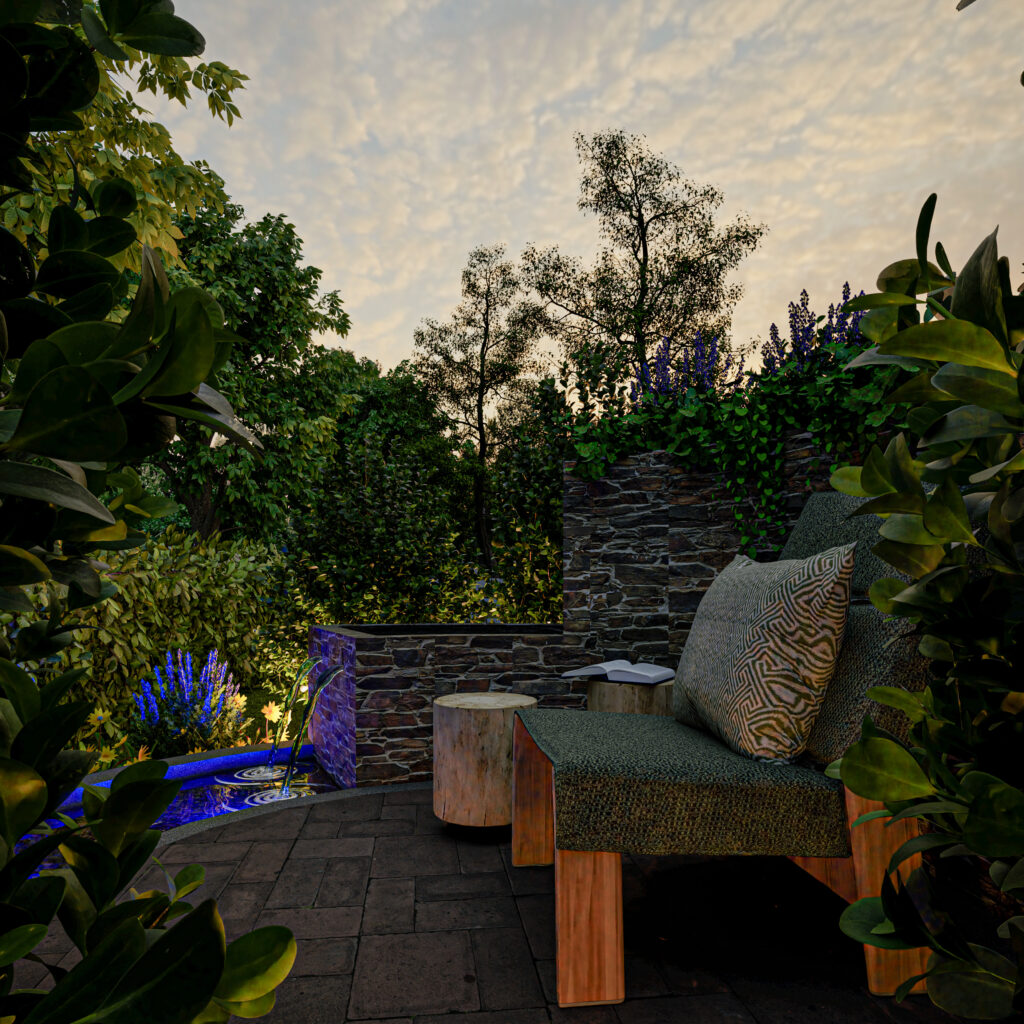
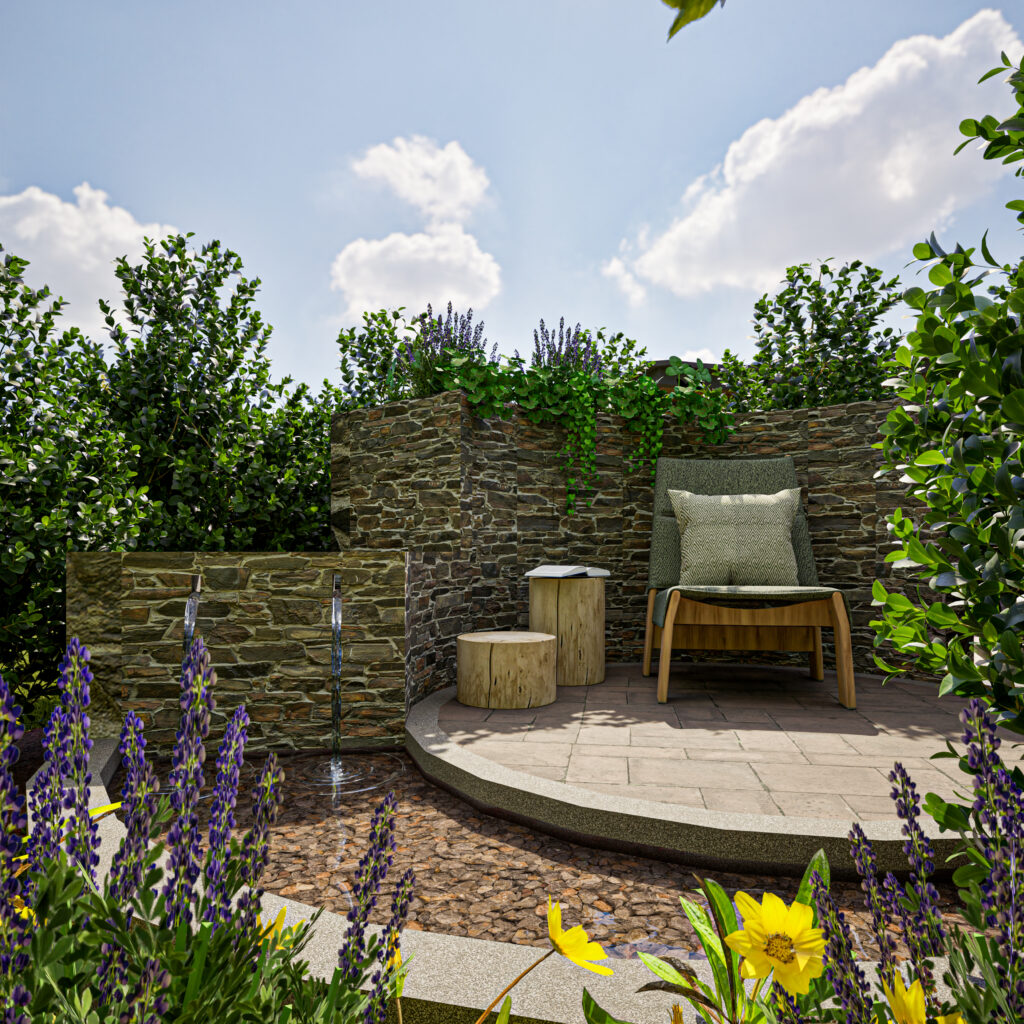
We designed real pause areas.
Not just pretty corners.
Actual places to slow down.
We created quiet regulation zones—not as a trend, but as areas where the body understands it can slow its pace.
We integrated an outdoor gym, not to demand more performance, but to allow movement with fresh air, natural light, and freedom.
Movement as release, not pressure.
We designed outdoor living areas that invite people outside, help them shift rhythm, and step out of mental confinement without leaving home.
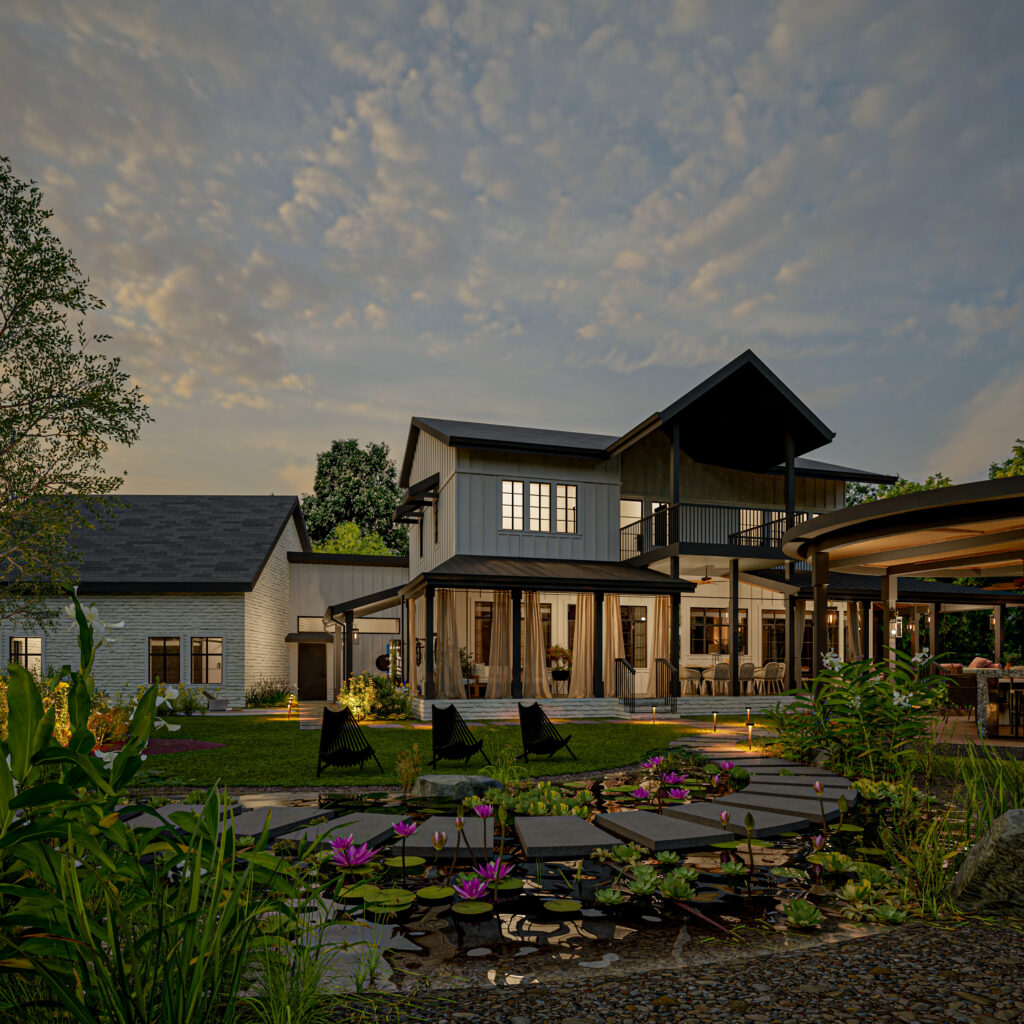
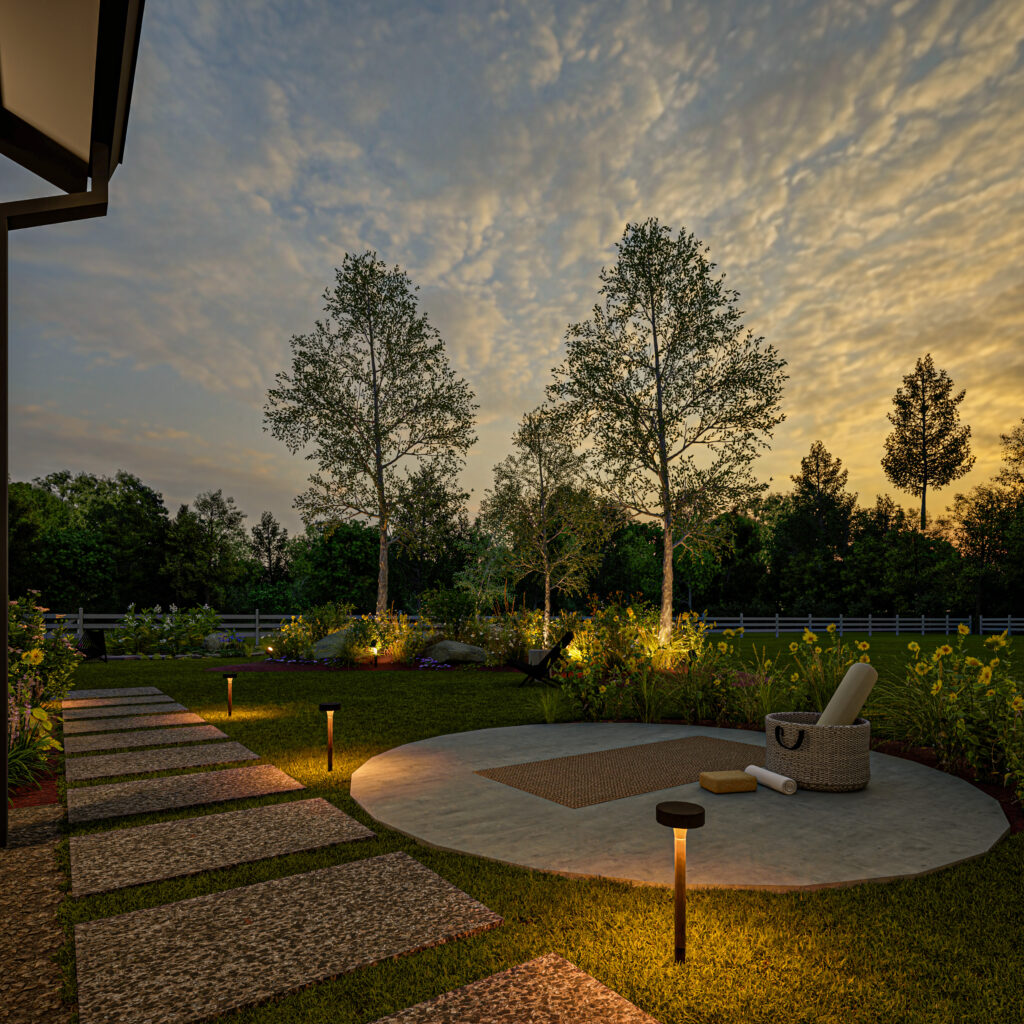
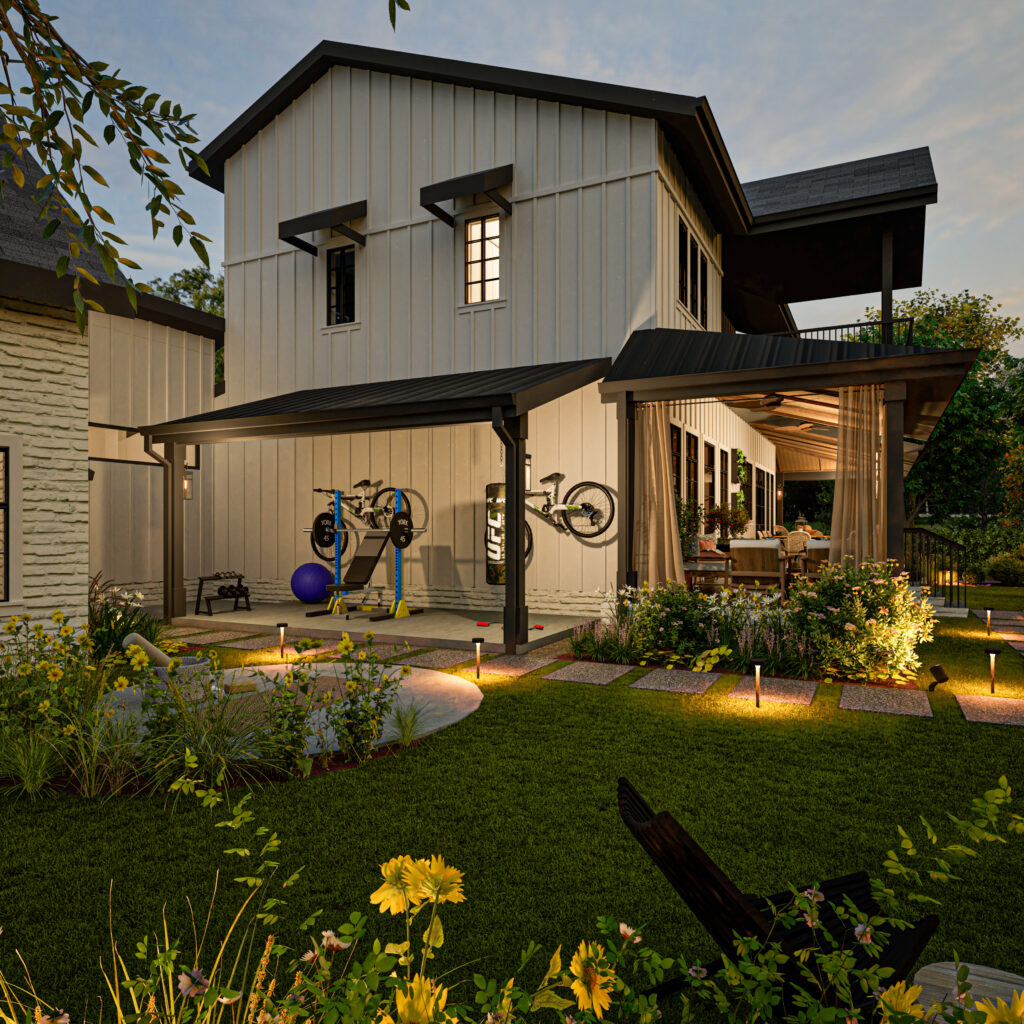
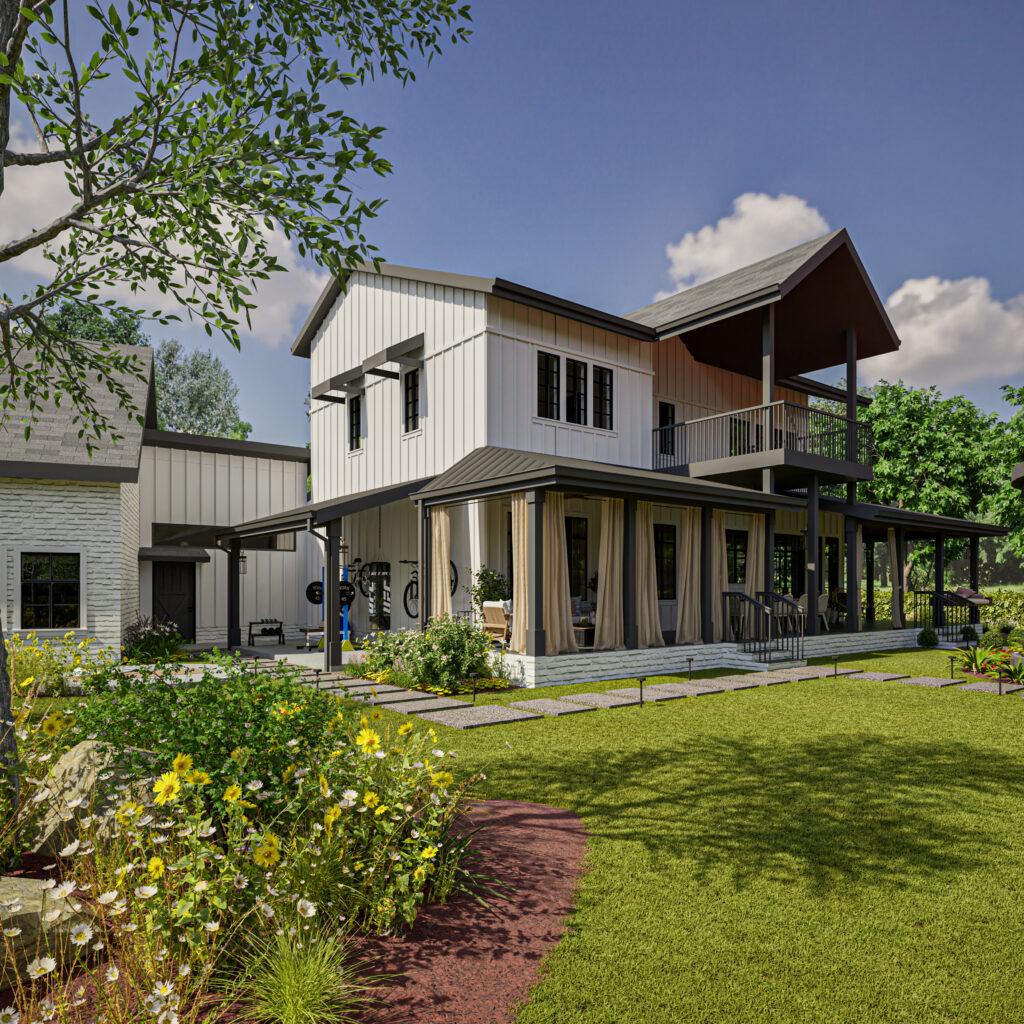
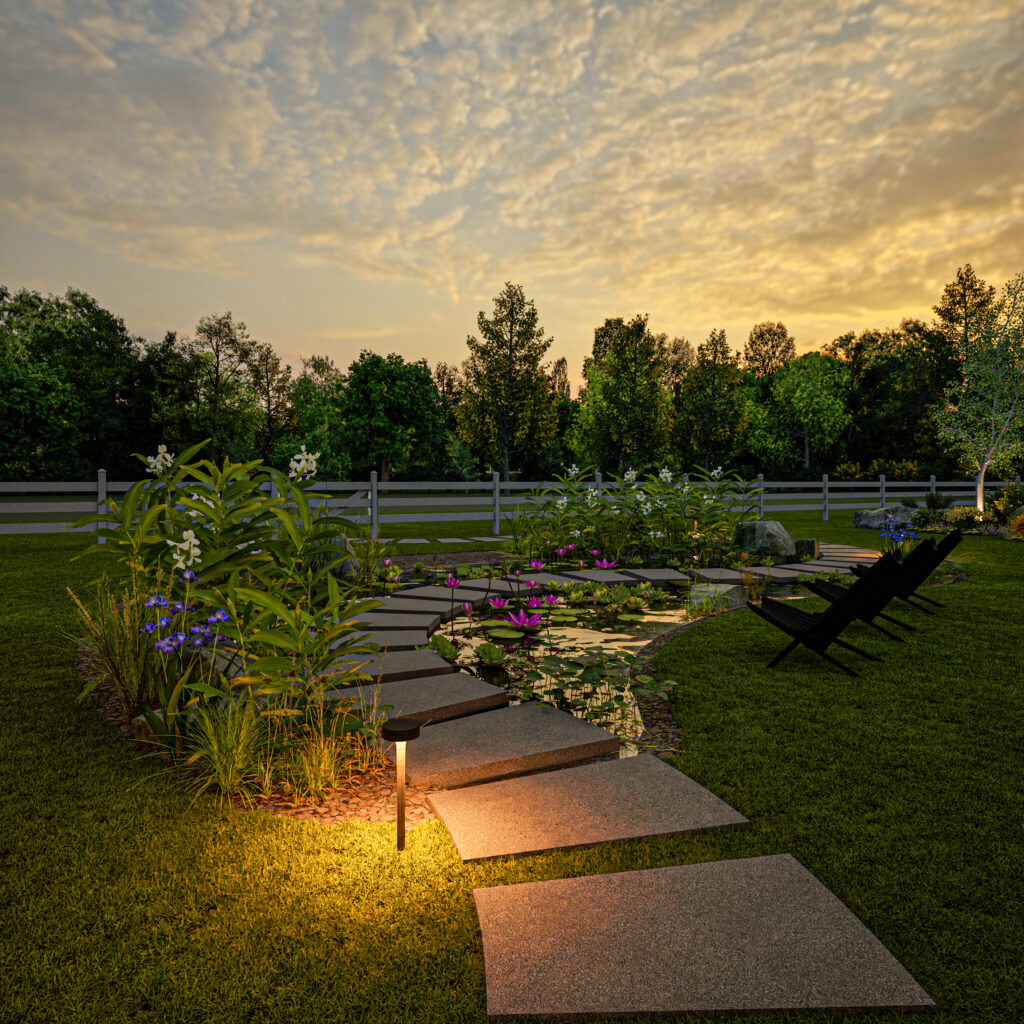
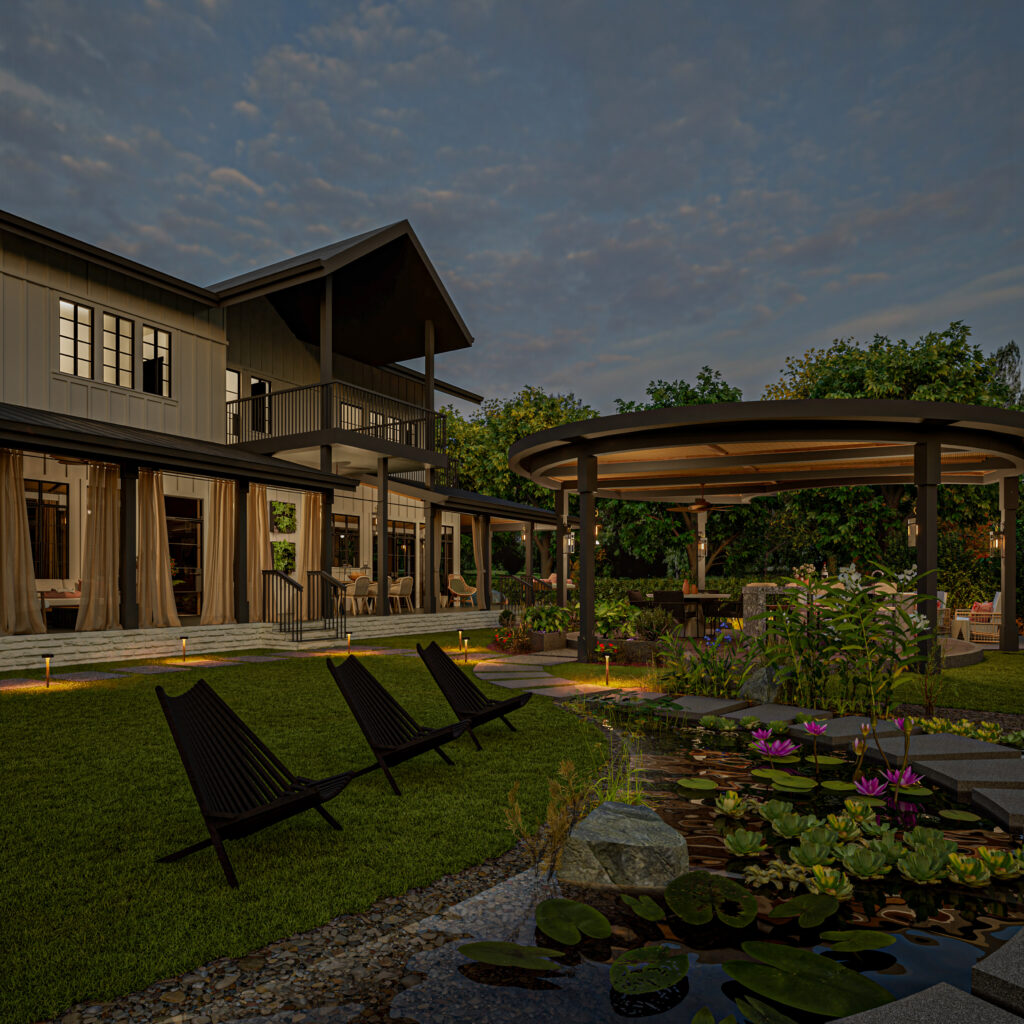
We created a pond—moving water—not as decoration, but as a sensory regulator.
The sound. The reflection. The visual pause.
All of it has a direct effect on the nervous system.
None of this is random.
None of this is “just because it looks nice.”
In the end, yes—it all looks beautiful.
But it also feels good to the body, not just to the eyes.
Now let’s talk about the bedroom.
Because this is where many homes fail—without realizing it.
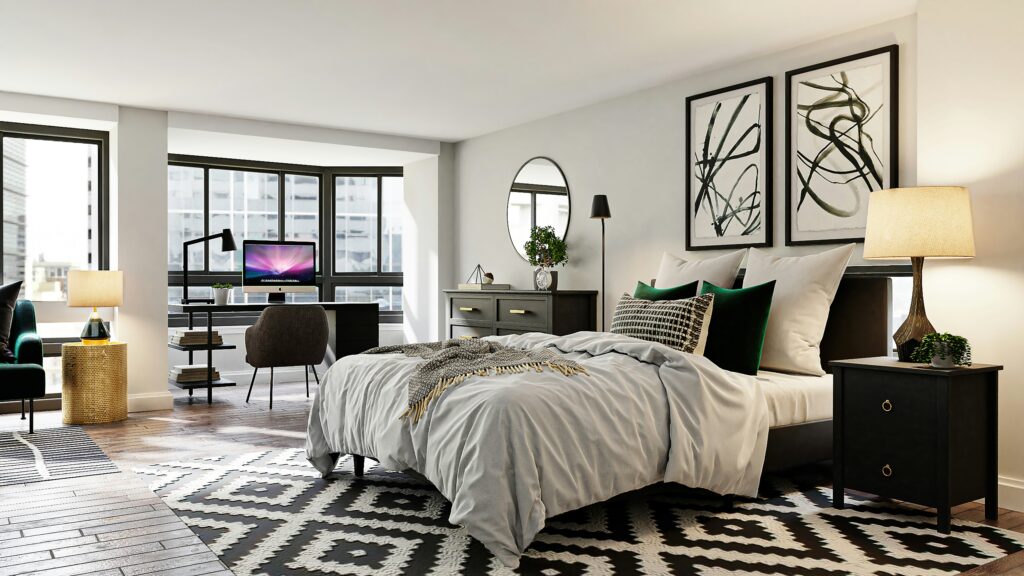
All homes have bedrooms, but not all bedrooms allow people to truly rest.
The data is clear: most adults sleep less than their bodies need.
More than 60% of working adults sleep fewer than seven hours a night.
For women, that number is even higher.
And when you look at the causes, the same ones keep coming up: stress, overwork, and technology.
That’s why, for us, the bedroom is the space where rest is most protected.
In this project, we made very intentional decisions.
We did not place televisions in the bedrooms.
We did not leave charging ports within reach of the bed.
Not because those things are “bad.”
Not because technology is the enemy.
But because we understand something very clearly:
The bedroom is not a consumption space.
It is a recovery space.
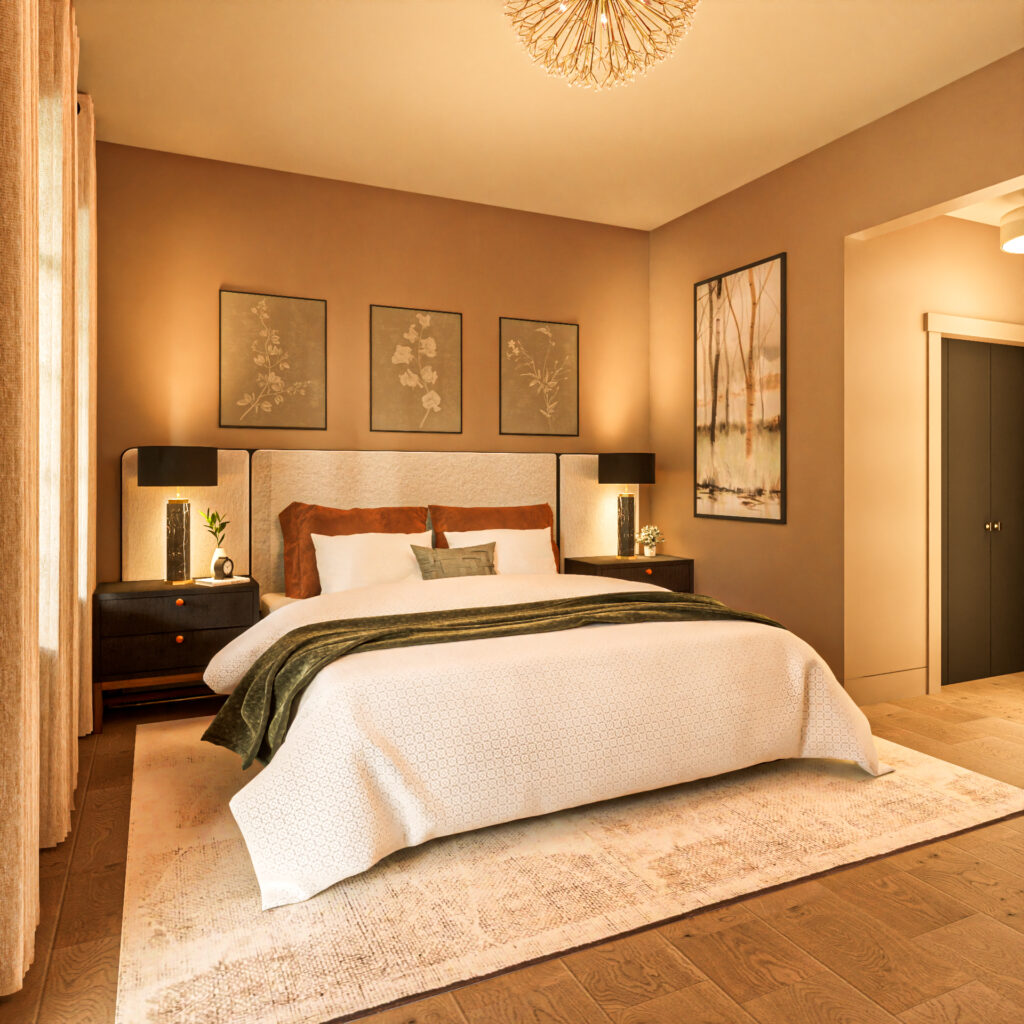
It’s where the body lowers its guard.
Where the nervous system needs to feel it no longer has to respond.
Where the mind can finally let go.
That’s why we reduced access to technology as much as possible.
Not to impose rules.
But to avoid inviting stimulation when what the body truly needs is to slow down gently.
Rest doesn’t happen by accident.
It’s either protected—or it’s lost.
And in a world that constantly asks for more, the real luxury is having a space that allows you to come back to yourself.
Another key element we worked on was lighting.
Lighting designed with intention.
No harsh lights.
Appropriate color temperature.
No unnecessary contrast.
The way natural light enters the home was carefully studied.
When it enters.
How it enters.
What happens in the morning.
What happens at the end of the day.
We also used a palette of colors and materials chosen to calm, not to impress.
Materials that feel good, not just look good.
All with one single goal: protect rest.
Because rest is not something you “decide.”
Rest is something you allow.
And space can support that—or quietly work against it.
Now, this doesn’t mean the entire home is silent or passive.
A home that helps you recover is not boring.
It’s intelligent.
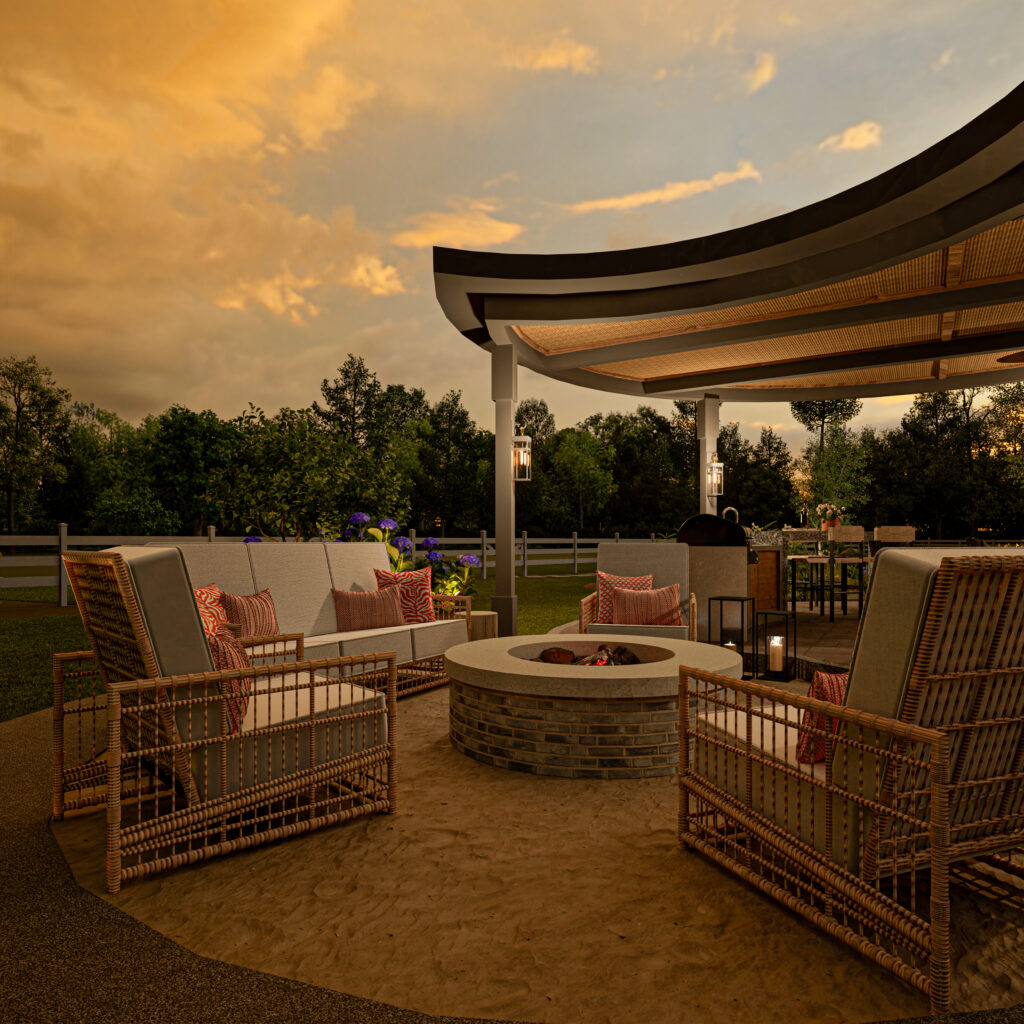
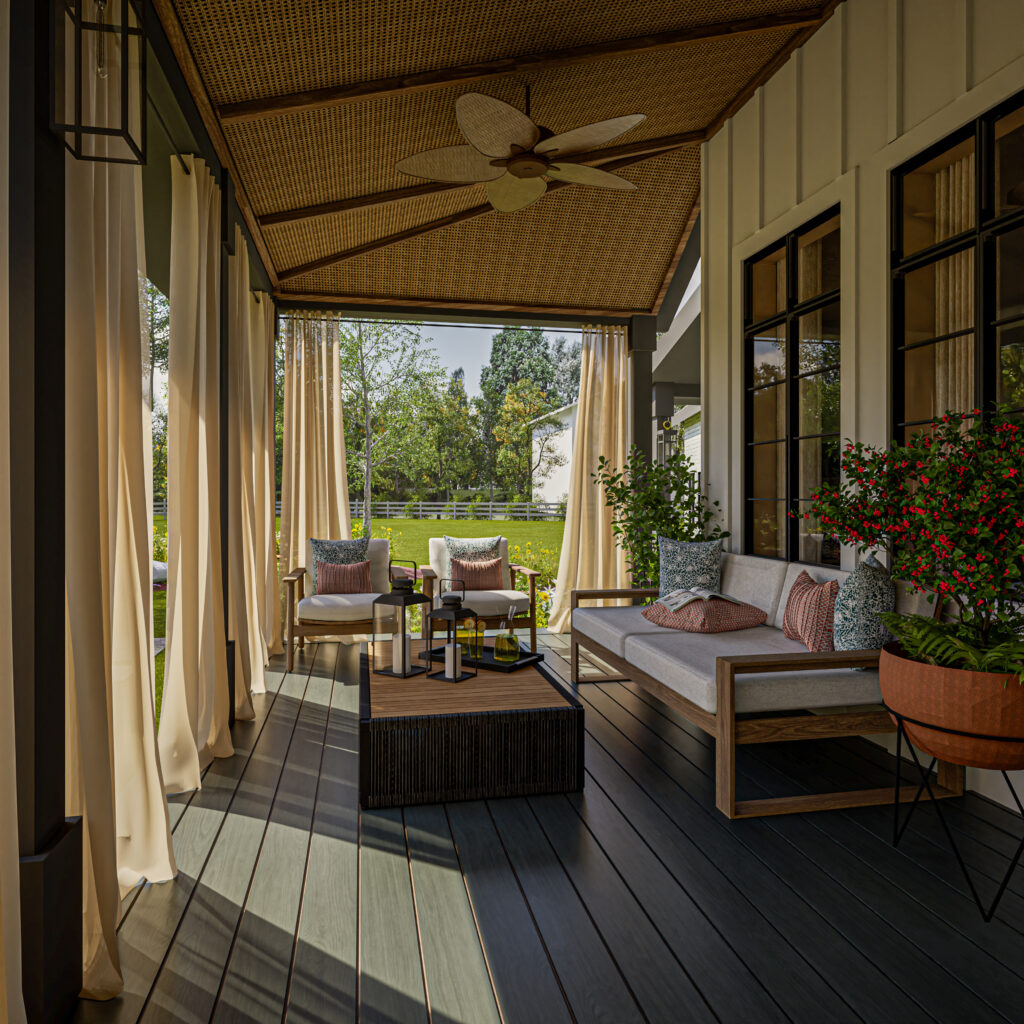
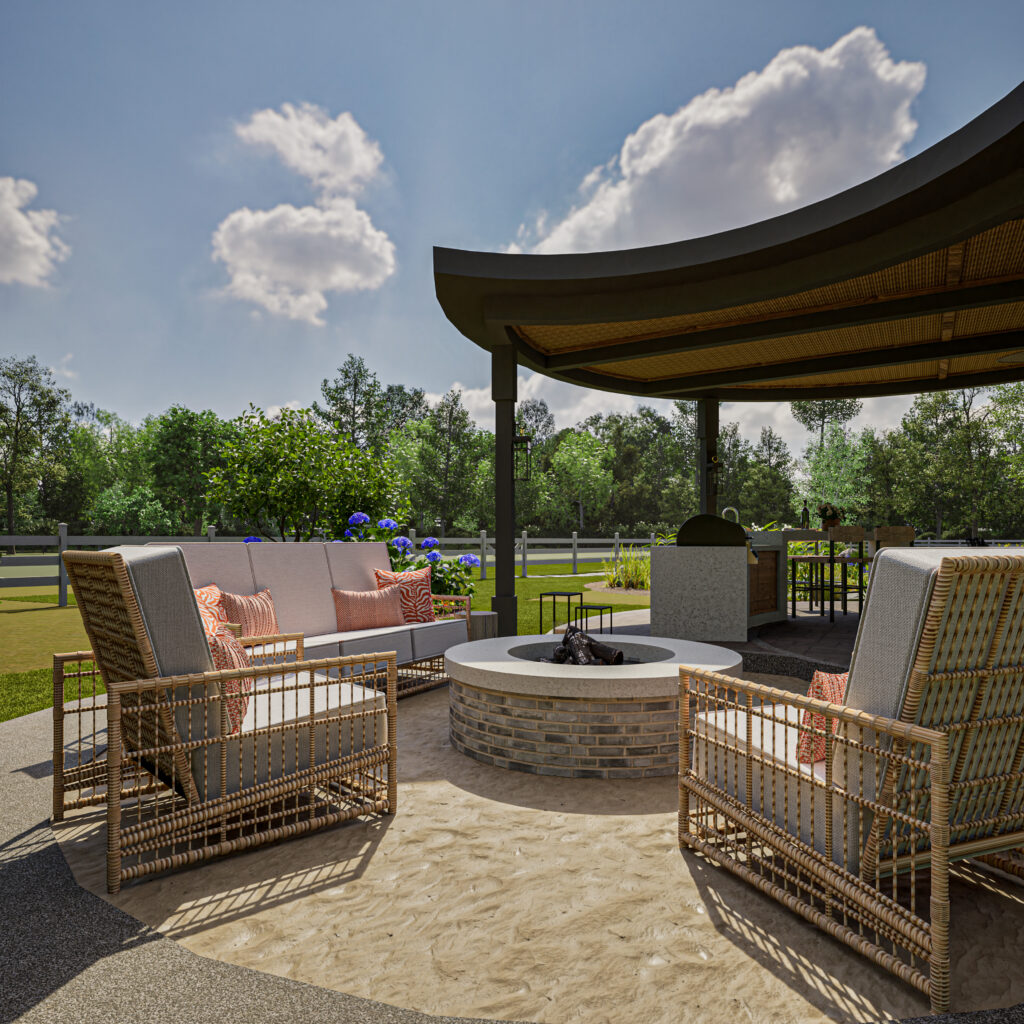
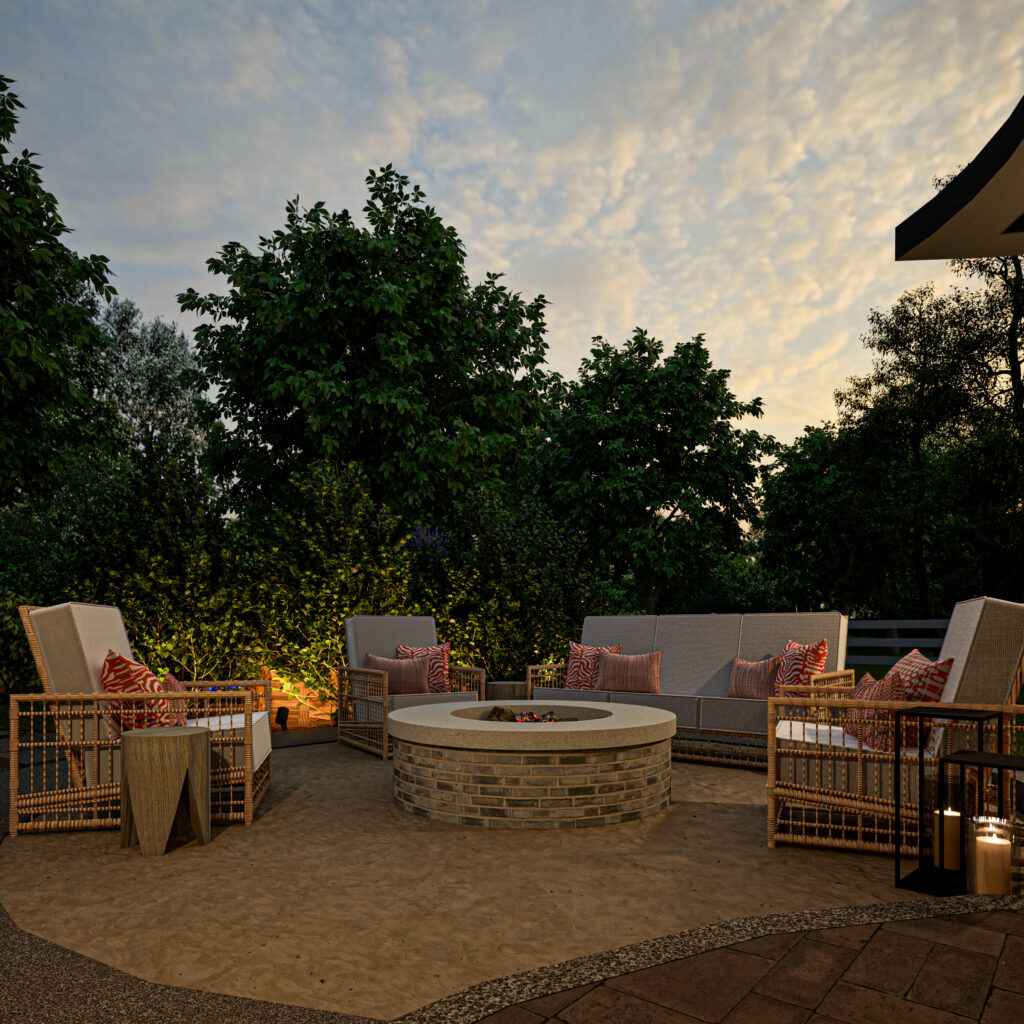
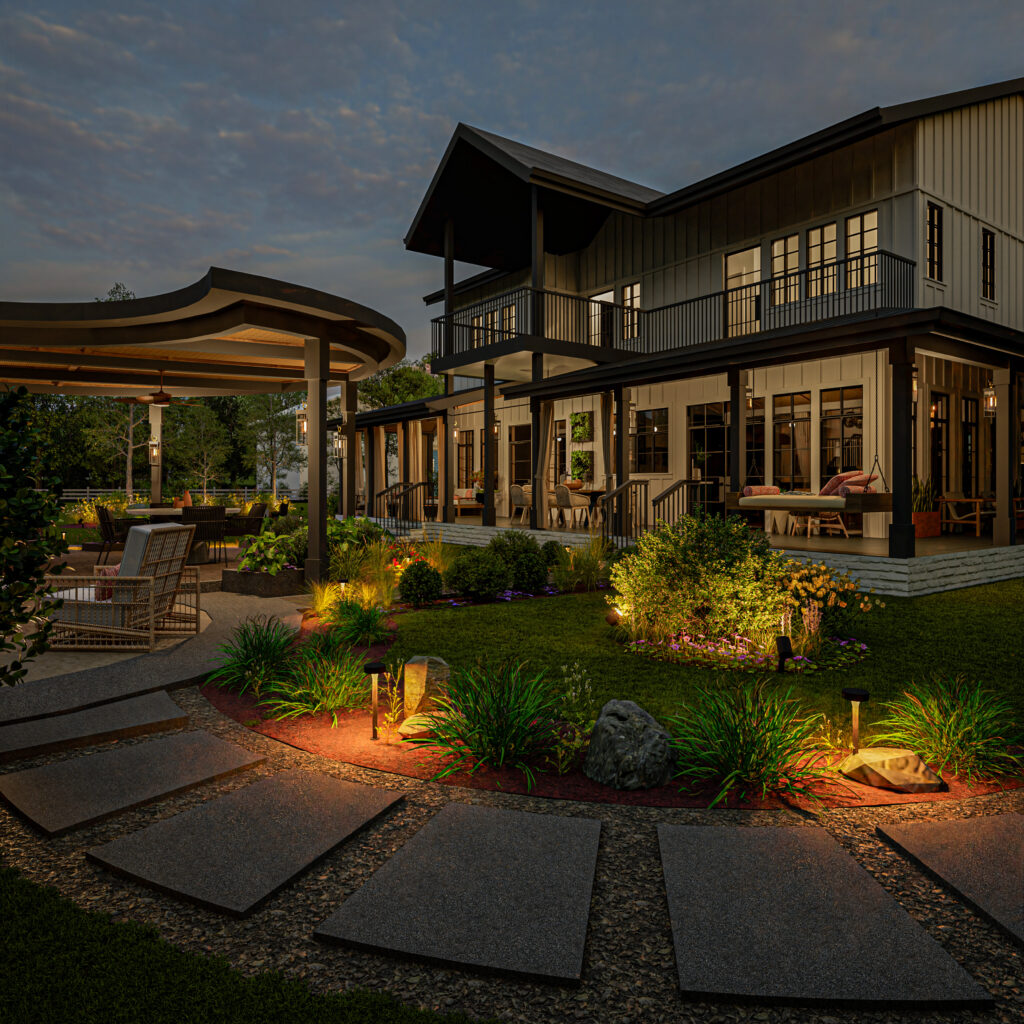
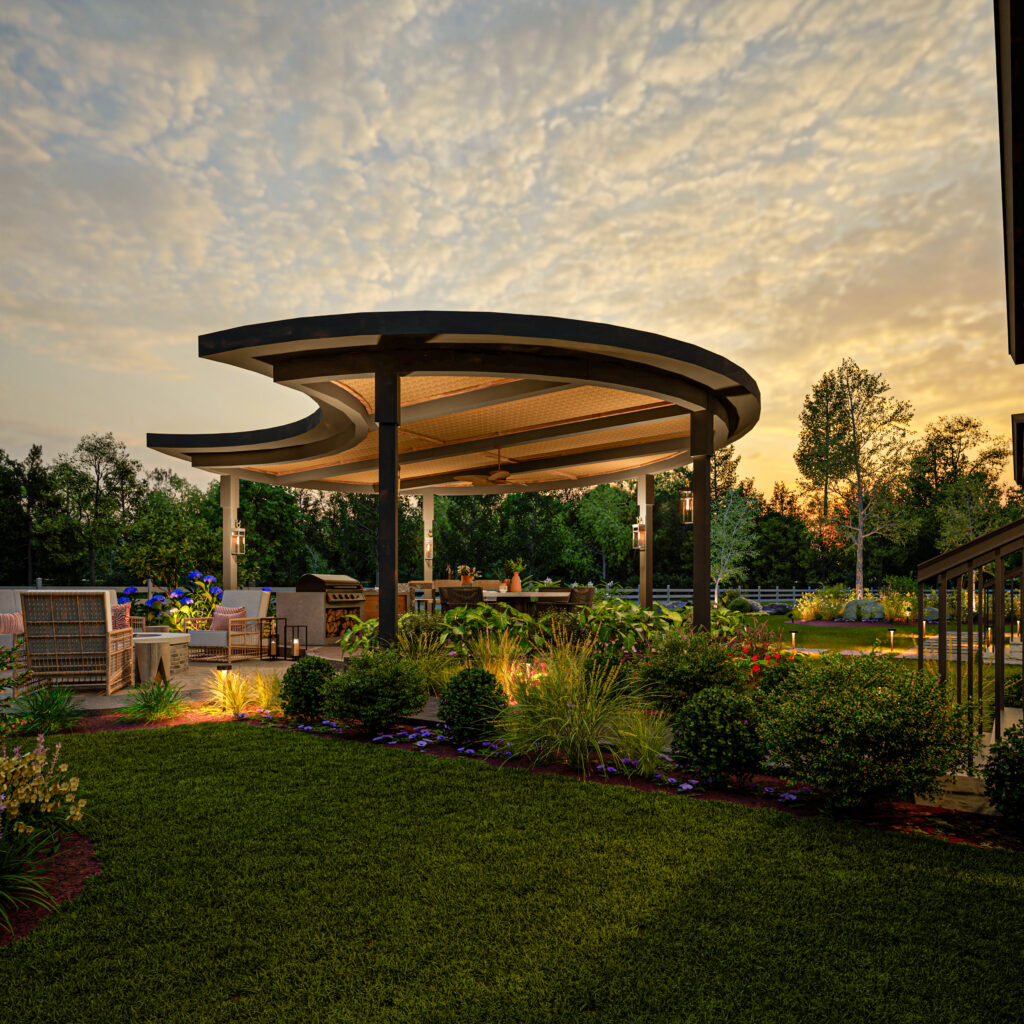
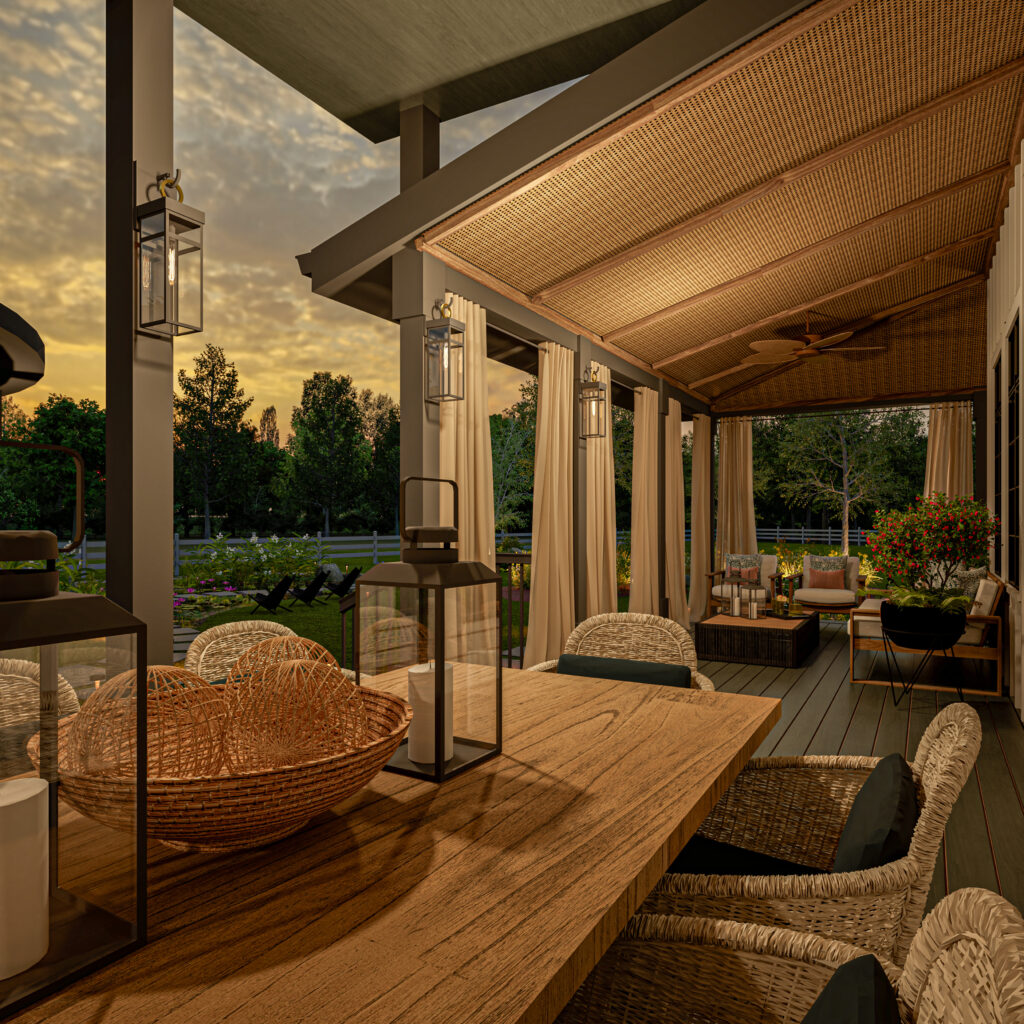
There are more stimulating areas: the living room, the gardens, social spaces.
But even there, the stimulation makes sense.
It has purpose.
It’s not noise.
It’s direction.
Because the key is not eliminating stimulation—it’s organizing it.
So each space knows why it exists.
And what human state it should support.
This is where many people realize something important:
They designed their home for visitors—not for the life they actually live.
They prioritized how it looks in photos—not how it feels on a Tuesday night.
They normalized arriving home tired—and staying tired inside it.
And that has a cost.
A quiet cost.
Cumulative.
Invisible.
Let me say this clearly:
A home that doesn’t help you recover slowly wears you down.
Maybe not today.
Maybe not tomorrow.
But over time, it shows.
In your energy.
In your clarity.
In your patience.
In your ability to enjoy what you’ve built.
That’s why, for us, residential design is not superficial.
It’s life infrastructure.
It’s creating an environment that works in favor of the people who live in it.
When a home is designed from this perspective, something powerful happens:
You wake up different.
Not because you slept more hours, but because you rested better.
Your mind feels less overloaded.
Your body isn’t in constant defense mode.
Your day starts with more margin.
And that shows up outside the home.
In how you work.
In how you decide.
In how you lead.
In how you relate to others.
That’s why when people ask us what we really do, the answer is not “beautiful houses.”
We create homes that protect, support, and help restore people who live full, demanding lives.
Homes that understand rest is not a luxury.
It’s a strategic need.
Because a renewed person thinks better.
Decides better.
Lives better.
So I’ll leave you with this question—not to answer right now, but to let it stay with you:
Is your home helping you recover… or is it just giving you a place to stay?
Because once you start seeing your home through this lens, you can’t ignore it.
And when rest becomes a priority in your life, everything else begins to organize itself around it.
That’s the standard we aim for.
And from there, we design everything else.
See you in the next blog.
By Mercedes Quintanilla


Read the Comments +