




Let me start from a different place.
You didn’t get here by accident.
Not by luck.
Not because someone handed you something.
You got here because you work hard.
Because you think.
Because you make decisions.
Because you carry more than most people see.
Your days aren’t light.
Your mind doesn’t switch off easily.
Your level of responsibility doesn’t end when you close your laptop.
And yet, there’s something you almost never question.
Your space.
Not because you don’t care.
But because you assumed, “that’s just how it is.”
That being tired is normal.
That friction is part of the deal.
That performing well always has to be hard.
But let me ask you a different question—
one very few people stop to ask:
What if your space worked as hard as you do?
Think about it for a moment.
You bring discipline.
You bring focus.
You bring energy.
You bring intention.
Does your space give anything back?
Or is it just there… watching you push through?
Because most spaces work like that.
They meet basic needs.
They hold things.
They look fine.
But they don’t help.
And when you operate at a certain level, that’s no longer enough.
For a long time, we were taught to think of space as something passive.
A nice background.
A stage where “life happens.”
But that’s an illusion.
Space is not neutral.
It never has been.
Space participates.
It shapes behavior.
It influences outcomes.
It affects how you think.
How you focus.
How you rest.
How you recover.
Even when you’re not aware of it.
And here’s the key point: if you’re working hard every day, living or working in a space that doesn’t support you isn’t just uncomfortable.
It’s inefficient.
It’s like running with extra weight—without realizing you’re carrying it.
Many high-level professionals live and work in spaces that:
– demand more energy than necessary
– work against mental clarity
– don’t allow real recovery
– can’t support the pace their life requires
Not because those spaces are bad.
But because you can’t sustain a high-performance life in a low-performance environment.
Maybe those spaces were only designed to look good.
To meet standards.
To work “well enough” for everyone.
And when that happens, something quiet begins.
You start compensating.
You compensate with coffee.
With willpower.
With “recovery” weekends.
With vacations that never feel like enough.
Not because you’re doing something wrong.
But because the environment isn’t doing its part.
Let me be clear: a space that doesn’t work with you, works against you.
Not in a dramatic way.
Not all at once.
But drop by drop.
Day after day.
It takes away focus.
It drains energy.
It reduces your margin.
And when you operate at a high level, that cost is expensive.
Now, imagine something else.
Imagine a space that understands how you live.
How you work.
How you rest—or how you should be resting.
A space that:– reduces friction
– supports concentration
– adapts to different rhythms
– doesn’t force you to adjust constantly
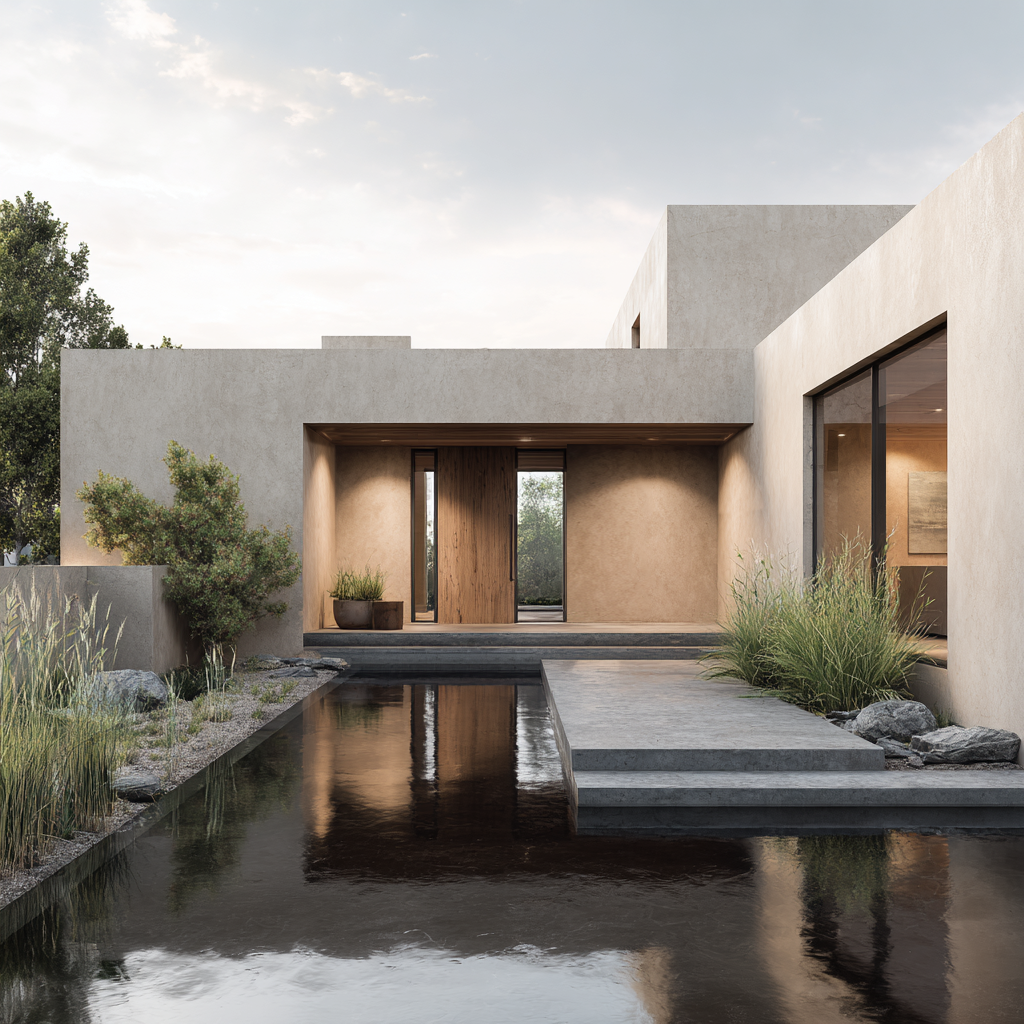
A space that doesn’t demand more from you.
That doesn’t pressure you.
That doesn’t overstimulate you.
A space that works as hard as you do.
Not because it moves.
But because it’s been thought through strategically to support you.
That changes everything.
Because when your space starts working with you, you don’t have to push as hard.
You don’t have to force focus.
You don’t end the day completely drained.
You don’t live in constant survival mode.
You still work hard—but with support.
And I want to be very clear about this:
This has nothing to do with superficial luxury.
Or spending just to spend.
Or empty aesthetics.
This is about intelligence.
About understanding that your environment is part of your life system.
And if that system isn’t aligned with you, the cost shows up somewhere else.
In your body.
In your mind.
In your clarity.
In your well-being.
And yes—also in money.
Because when wear and tear builds up, decisions get cloudy.
Focus breaks apart.
Energy becomes scarce.
A passive space doesn’t seem like a problem… until it is.
That’s why, in my studio, we don’t design spaces as objects.
We design spaces as human infrastructure.
Spaces that understand that:
– not every moment of the day is the same
– not every task needs the same mental state
– not all of life is constant productivity
A well-designed space knows when to activate—and when to support.
From the overall structure to the interior details.
From decisions that are rarely noticed,
but always felt:
How light enters.
How the body moves.
Where the space opens…
and where it protects.
Which materials calm.
Which ones stimulate.
Which ones exhaust over time.
None of this is accidental.
When it’s done right, it doesn’t announce itself.
It doesn’t shout.
It doesn’t distract.
It works.
And that shows up in your everyday experience.
A space that works with you doesn’t compete for your attention.
It doesn’t drain your energy.
It doesn’t demand constant adjustment.
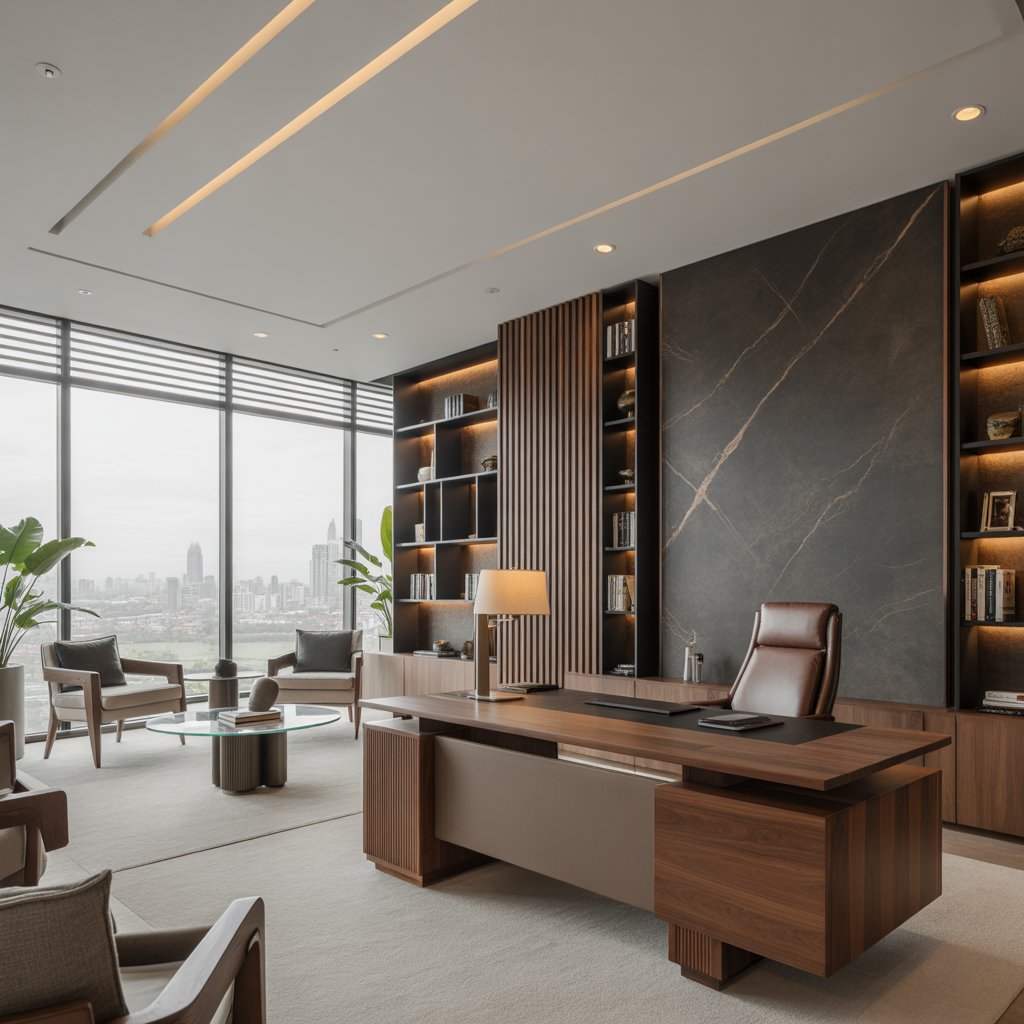
It becomes a quiet ally.
It won’t appear on a financial statement.
But it directly influences your results.
And when you start seeing your environment through this lens, something changes permanently.
You stop asking whether you “like” your space.
And you start asking:
Is this place supporting the life I have—or making it heavier?
That’s a powerful question.
And not everyone is ready to ask it.
But those who do never go back.
Because they understand that their space
is not a background.
Not an accessory.
Not an optional object.
It’s part of their life strategy.
And if you work hard, think big, and care about results, your space should be doing the same.
Not watching you from the corner.
Not getting in the way quietly.
But working with you.
That’s the standard.
See you on the blog.

Read the Comments +