


There’s something I find fascinating about the way we live today.
- We spend years working to build a better life.
- We work hard.
- We build businesses.
- We lead teams.
- We create wealth.
- We pursue growth.
- We strive to perform at a higher level.
But we rarely stop to ask whether the place we live is actually designed to support the life we’re building.
And that’s the conversation I’d like to have with you today.
Because if your life moves at a demanding pace… this blog is for you.
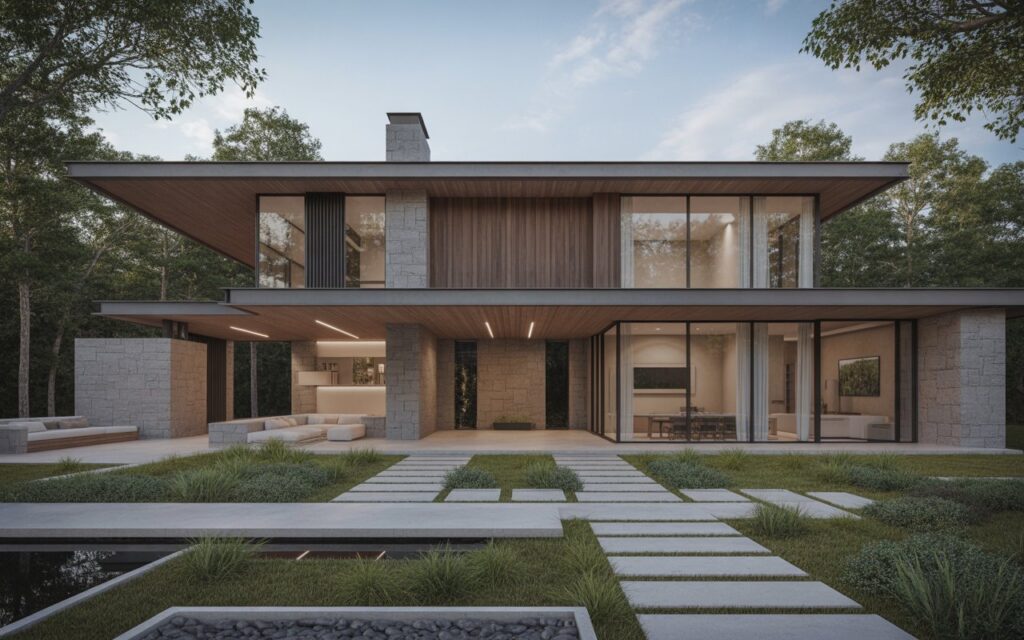
Maybe the challenge isn’t only stress.
Or your schedule.
Or your responsibilities.
Maybe it’s also that many people are living in spaces that no longer support human life in the way we were designed to live.
And this goes much deeper than having a beautiful home.
Much deeper than luxury.
Much deeper than architecture that simply looks impressive.
Because a home can look spectacular… and still quietly work against you.
It can look modern… and still disconnect you from what your body needs to function at its best.
This is where the conversation changes.
We were not designed to live disconnected from nature.
- We were designed to experience natural daylight.
- Fresh air.
- Clean water.
- The ground beneath our feet.
- Natural rhythms.
But today’s built environment has gradually pulled us farther away from those essentials.
We spend most of our day under artificial lighting.
We breathe polluted air.
We spend more time indoors than connected to the outdoors.
We are surrounded by concrete, while becoming increasingly disconnected from the natural elements that once helped our bodies regulate, recover, and sustain energy.
And even if we don’t consciously recognize it…
our bodies do.
Because the human body is constantly responding to its environment.
- Your energy changes.
- Your mental clarity changes.
- Your ability to focus changes.
- Your quality of rest changes.
And many times, we assume it’s simply “modern life”…
when, in reality, our environment is playing a significant role.
That’s why we believe a home should not be designed simply to house people.
It should be designed to support the human experience.
And that changes everything.
Let me ask you a few questions.
- Does your home receive enough natural daylight?
- Does the air inside your home actually support the way your body functions?
- Is the water you drink contributing to your overall well-being… or simply meeting a basic need?
- Does your home provide a meaningful connection to nature?
- Do your senses have room to breathe?
This is where your home stops being just a visual experience… and becomes a biological one.
Take natural daylight, for example.
It isn’t a luxury.
It’s a human necessity.

Natural light helps regulate your circadian rhythm.
It influences your energy.
Your vitality.
Your mental clarity.
Your sleep.
Your ability to concentrate.
And yet many people live in homes where very little natural light enters.
Dark homes.
Closed-off spaces.
Artificially lit from morning to night.
Eventually, the body loses its connection to its natural rhythm.
And over time, that affects how we live, how we think, and how we feel.
The same is true of air.
When we talk about design, we often focus on what we see…
but rarely on the air we breathe inside our homes.
Yet indoor air quality influences far more than most people realize.
It affects your energy.
Your sense of fatigue.
Your mental clarity.
And the way your body feels throughout the day.
That’s why, in our projects, we intentionally create homes that are healthier to breathe in, more vibrant, and better aligned with the way people naturally live.
Nature plays an essential role in that process.
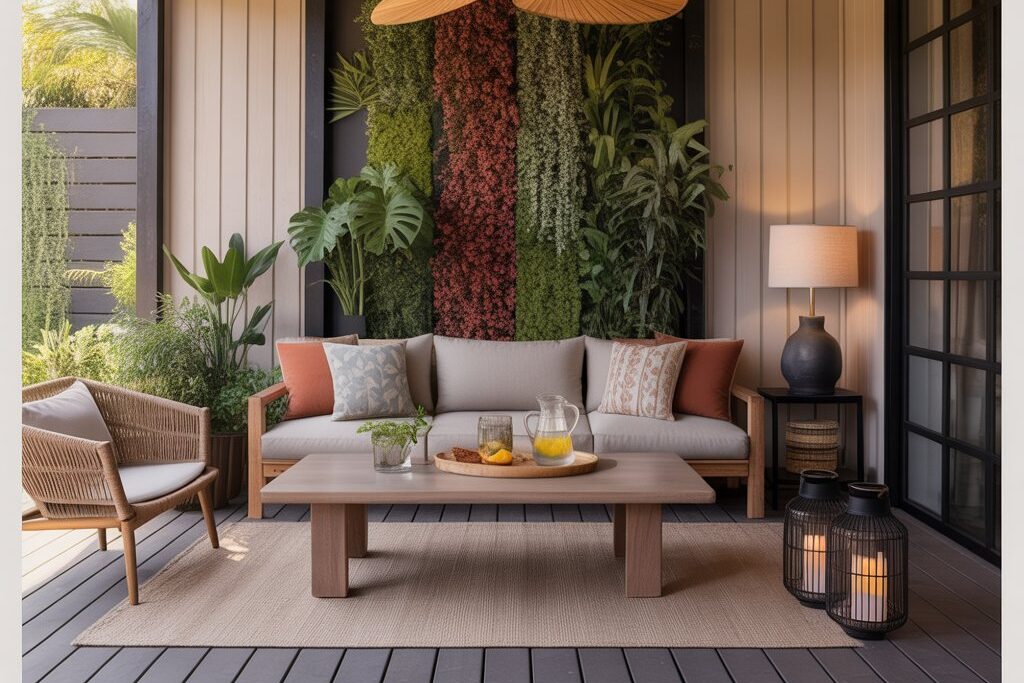
Plants do much more than decorate a room.
They can help improve indoor air quality, reduce stress, and transform how a space feels.
Because human beings respond deeply to nature.
Our nervous system changes when we’re surrounded by it.
Perhaps that’s why we feel calmer near water.
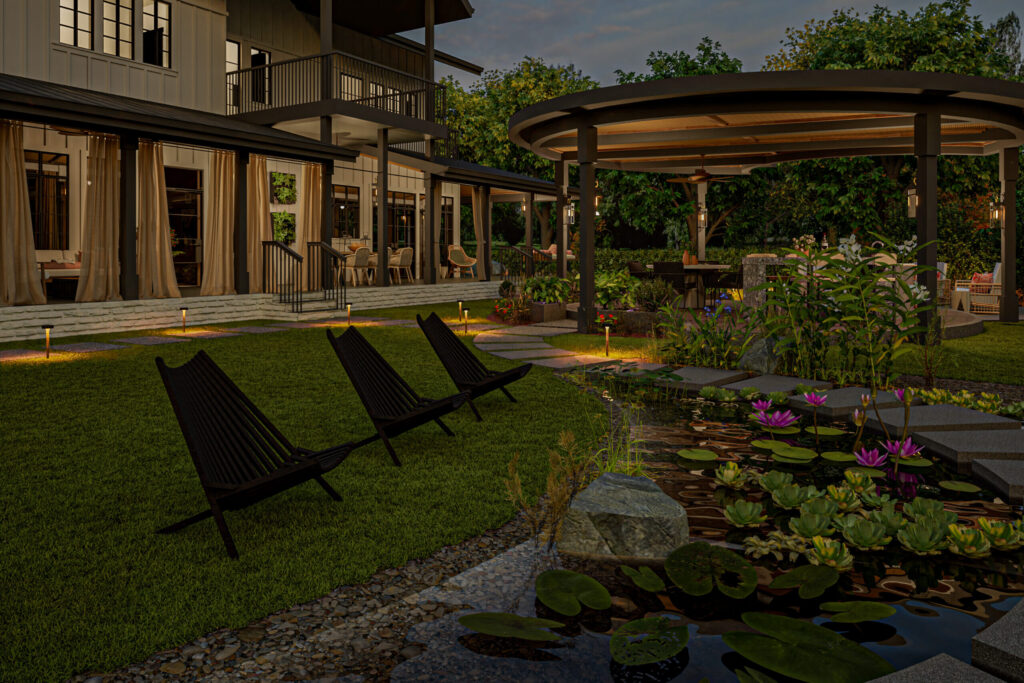
Walking barefoot on the beach.
Or listening to trees moving in the wind.
None of that is accidental.
The body recognizes nature.
It remembers it.
Because that’s where human life learned to thrive.
And I believe one of the greatest challenges of modern living is that we’ve normalized being disconnected from it.
We’ve normalized living tired.
Living exhausted.
Living overstimulated.
Living inside spaces that offer little opportunity for genuine recovery.
But our environment matters.
Far more than most people realize.
Because every space sends quiet signals to the body every single day.
And this is where we take design to a different level.
We don’t simply design architecture with beautiful interiors.
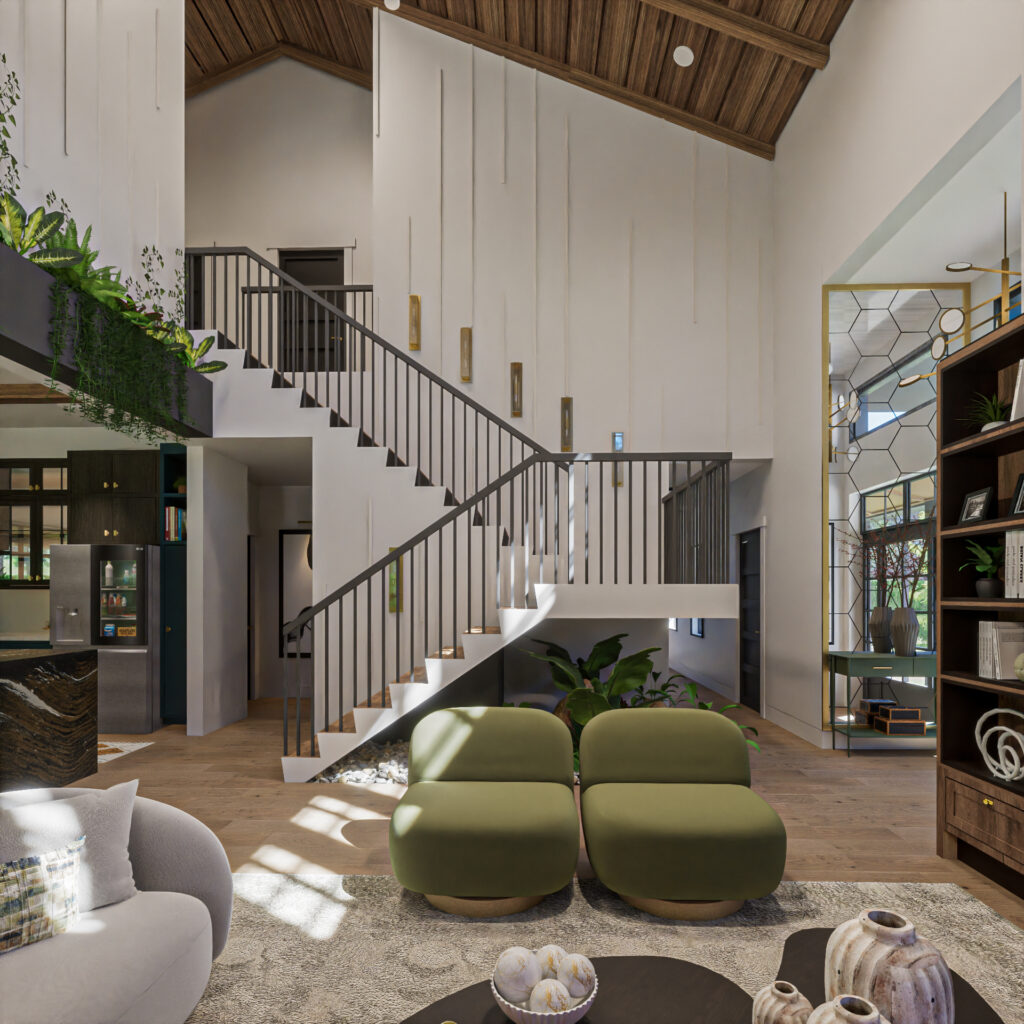
We design ecosystems for living.
Spaces strategically created to support the way people live, work, think, rest, and recover.
Spaces where water isn’t simply beautiful…
it becomes part of daily life.
Where air isn’t simply moving…
it’s intentionally cared for.
Where nature isn’t decorative…
it serves a purpose.
Where light doesn’t simply illuminate…
it helps align the body with its natural rhythm.
And we do all of this by learning from something that has always been remarkably intelligent: nature itself.
Then we integrate those principles with science, technology, and thoughtful design to meet the needs of modern life.
Because today, more than ever, we need spaces that do more than look beautiful.
We need spaces that help people sustain the life they are building.
Because eventually, luxury begins to mean something different.
Real luxury becomes:
- Having energy.
- Thinking clearly.
- Sleeping deeply.
- Staying focused.
- Recovering well.
And knowing your environment is working with you—not against you.
That’s what we strive to create.
Not simply homes.
But infrastructure for living.
Spaces that intentionally integrate natural elements into the built environment to improve the human experience.
Because when our environment becomes more aligned with nature… life itself begins to feel different.


Read the Comments +