


If you read the previous blog, you already know that the wear you feel doesn’t always come from your schedule.
That not everything can be explained by a lack of discipline, rest, or organization.
Today, I want to continue that conversation.
And I want to begin with a simple—but powerful—question: Your space looks good… but does it actually support you?
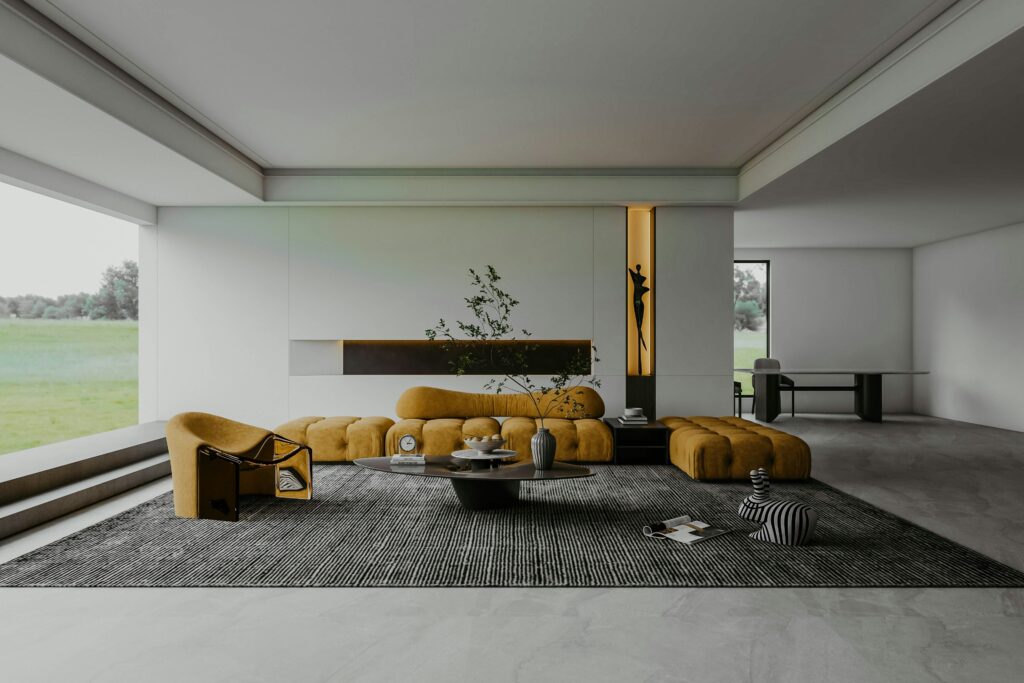
We live in a culture where looking good seems to be enough.
A beautiful space.
Organized.
Modern.
Visually well resolved.
In theory, that should make us feel good.
But in practice, many people live a different reality.
Beautiful homes where it’s hard to truly rest.
Impeccable offices where the mind never settles.
Perfectly functional spaces where the body never fully relaxes.
And the most curious part is that many times we don’t know how to explain it.
We just feel that something isn’t quite right.
Let me ask you something—and take a moment to answer honestly:
When you walk into your home after a long day, does your body exhale… or does it remain tense?
When you sit down to work, does your mind organize itself… or does it begin to scatter?
When you try to rest, does the space support you… or do you have to force yourself to disconnect?
These questions are not meant to judge your space.
They are meant to listen to what your body already knows.
Because there is something important that we are almost never taught:
The body always responds to the environment, even when the mind ignores it.
The body registers light.
Noise.
Proportions.
Colors.
Temperature.
The arrangement of objects.
It registers whether there is chaos or calm.
Excess or balance.
Containment…
or emptiness.
And it responds accordingly.
Many people confuse wear with normal tiredness.
But they are not the same.
Tiredness goes away with rest. Wear does not.
Wear is that feeling of always being slightly exhausted.
Of needing more effort to concentrate.
Of feeling drained without a clear reason.
And when that wear becomes constant, we begin to normalize it.
“That’s just adult life.”
“That’s leadership.”
“That’s what working hard looks like.”
But it’s not always that way.
I want you now to think about a specific space—one where you spend many hours.
It might be your office.
Your desk at home.
Your bedroom.
Or even your living room.
Visualize it for a moment.
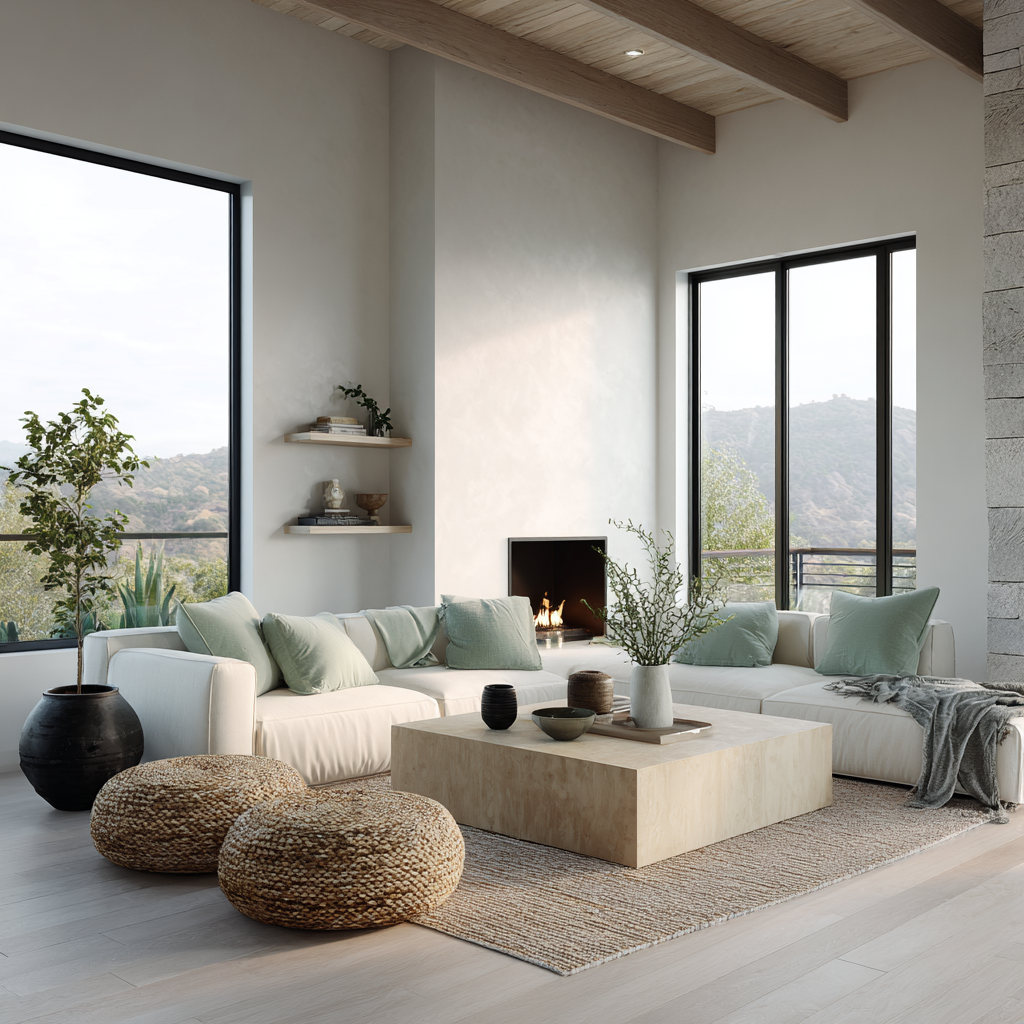
And ask yourself: How does this space feel in my body?
Does it support me… or does it demand from me?
Does it invite me to stay… or to leave?
Don’t look for a logical answer.
Look for a sensation.
Because a space can be well designed on the outside… and still not be aligned with your internal rhythm.
And that’s where friction begins.
When the environment doesn’t support you:
the body adapts,
the mind compensates,
the will pushes.
And that, sustained over time, wears you down.
Many times we believe that if something isn’t working for us,
the problem is us.
“Maybe I need more discipline.”
“Maybe I need to organize myself better.”
“Maybe I lack focus.”
But… what if that’s not it?
What if the space where you live and work was never designed to support you?
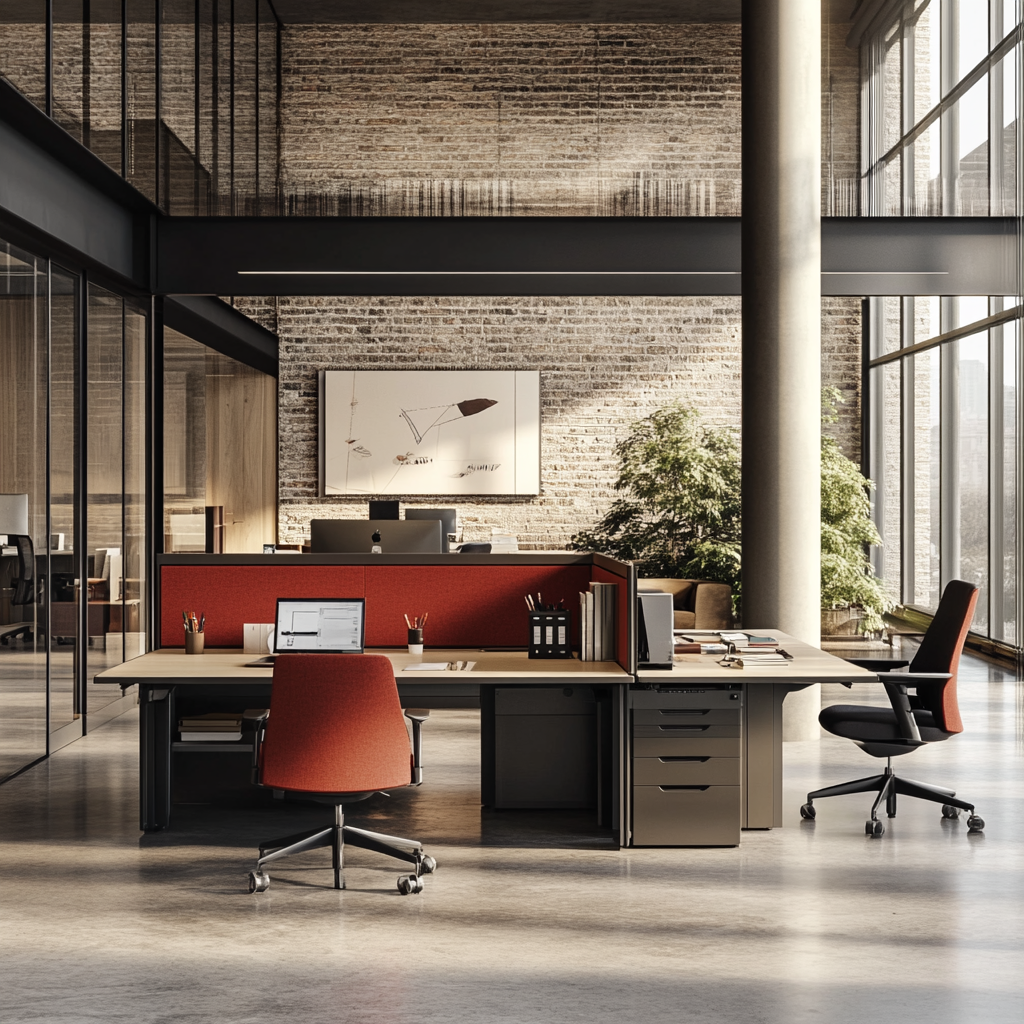
Not your biology.
Not your energy.
Not the real way you live and perform.
Here I want to leave you with one key idea:
Not all spaces that look good actually do you good.
And not all spaces that do you good look “perfect.”
Well-being is not always visible. But it is always felt.
If, as you read this, you begin to notice things that previously went unnoticed—
if you suddenly understand why certain places exhaust you more than others—
that is not discomfort.
That is awareness.
And awareness doesn’t drain you. Awareness liberates you.
In the next blog, we’ll go one step deeper.
We’ll talk about why many spaces were created from an approach that doesn’t consider the human experience—and what changes when we begin to see our spaces through a different lens.
Thank you for being here and for walking with me on this path toward a space that will transform your human experience—and your results.
And remember: success rises when your environment works with you… and not against you.


Read the Comments +