


There’s something many people don’t realize.
The lighting in your home affects how you think, how you sleep, how you work, and how you feel every single day — often without you noticing.
It’s not decoration.
It’s not just aesthetics.
It’s not only about whether a space looks beautiful or modern.
It’s biology.
Your body responds to light automatically.
You don’t have to think about it.
Your brain is already processing it.
Every time you walk into a dark space, your energy shifts.
Every time you work in poor lighting, your concentration drops.
Every time you spend the evening under harsh white light, your rest is affected.
And none of that is random.
It’s your body responding naturally to its environment.
Because light is one of the most powerful regulators of human performance.
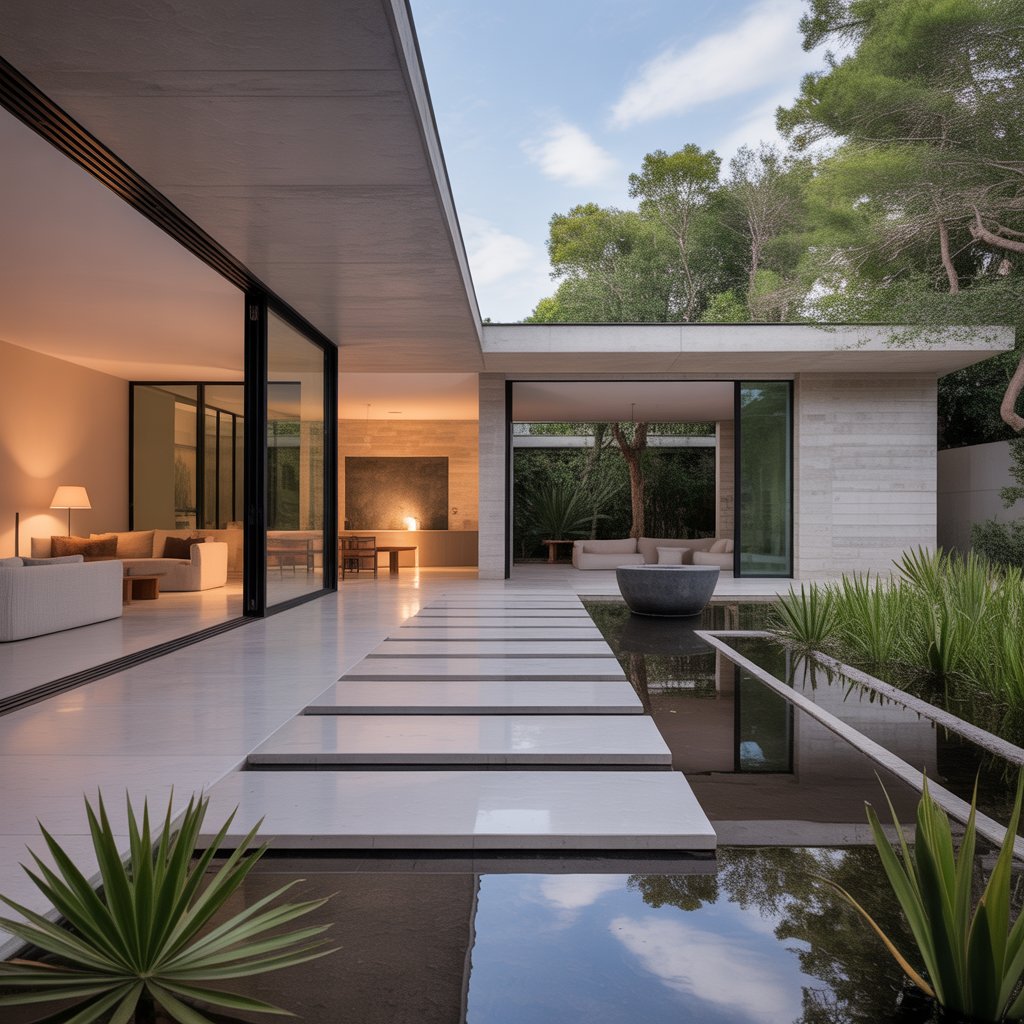
Contemporary Executive Office with Elevated Professionalism
The body operates on an internal clock
We all have a biological system that organizes our day.
It’s called the circadian rhythm.
Simply put, the circadian rhythm is the body’s internal clock that tells us when to wake up, when to be alert, when to focus, and when to rest.
And this clock responds primarily to one thing: light.
When natural light enters in the morning, the body understands it is time to activate.
As light decreases later in the day, the body begins to slow down.
When darkness arrives, the body prepares for sleep.
This is how human beings were designed to function.
Sunlight during the day.
Darkness at night.
Activity and rest in balance.
But today, many of us live far from that balance.
We live in homes with very little natural light.
Homes with intense lighting late at night.
Homes where the body can no longer clearly recognize whether it is day or night.
And when the body becomes confused, performance does too.
How lighting affects your daily life
You don’t need to be a scientist to notice it.
Working in a dark space feels heavy.
Waking up in a room without natural light feels slow.
Spending evenings in a home with harsh lighting makes it harder to relax.
This happens because light directly influences:
your energy
your concentration
your mood
your quality of rest
Good lighting can help you feel more focused.
Poor lighting can leave you feeling tired for no obvious reason.
And what’s most interesting is that many people assume it’s stress, work, or routine… when the environment may also be playing a major role.
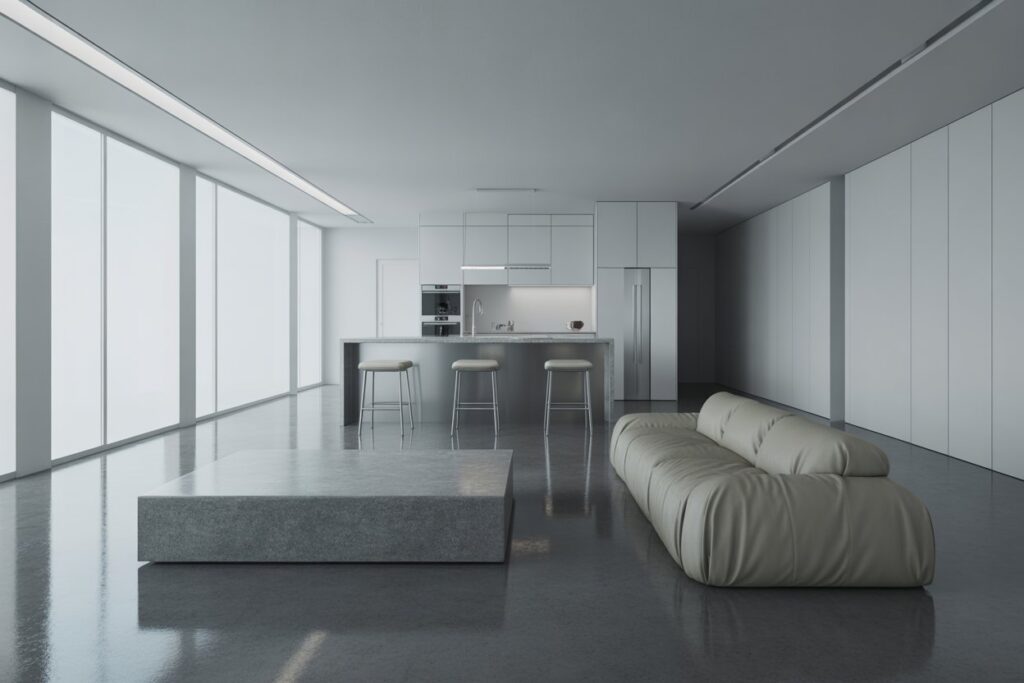
The problem is not only the amount of light
This is where many people get it wrong.
They think good lighting simply means having more light.
More lamps.
More fixtures.
More intensity.
But that’s not how it works.
Not all light sends the same message to your brain.
Look around your environment.
What kind of light are you using?
And how does your body respond to it?
Light also has temperature
And there’s another important layer to this.
Light also has “temperature.”
We’re not talking about whether the house feels hot or cold.
We’re talking about how the light appears.
Whether it feels warm and softer in tone… or cooler, brighter, and more blue-white.
And this completely changes how your body responds.
Warm light relaxes.
Cooler white light activates.
It’s that simple.
During the day, the body needs signals that support alertness.
At night, it needs the opposite.
It needs cues that help it slow down.
The problem is that many homes use strong white lighting at night.
And that tells the brain it is still daytime.
That it is not yet time to rest.
That’s why many people come home exhausted…
but still cannot relax.
Or they go to bed…
but struggle to sleep deeply or reach restorative sleep cycles.
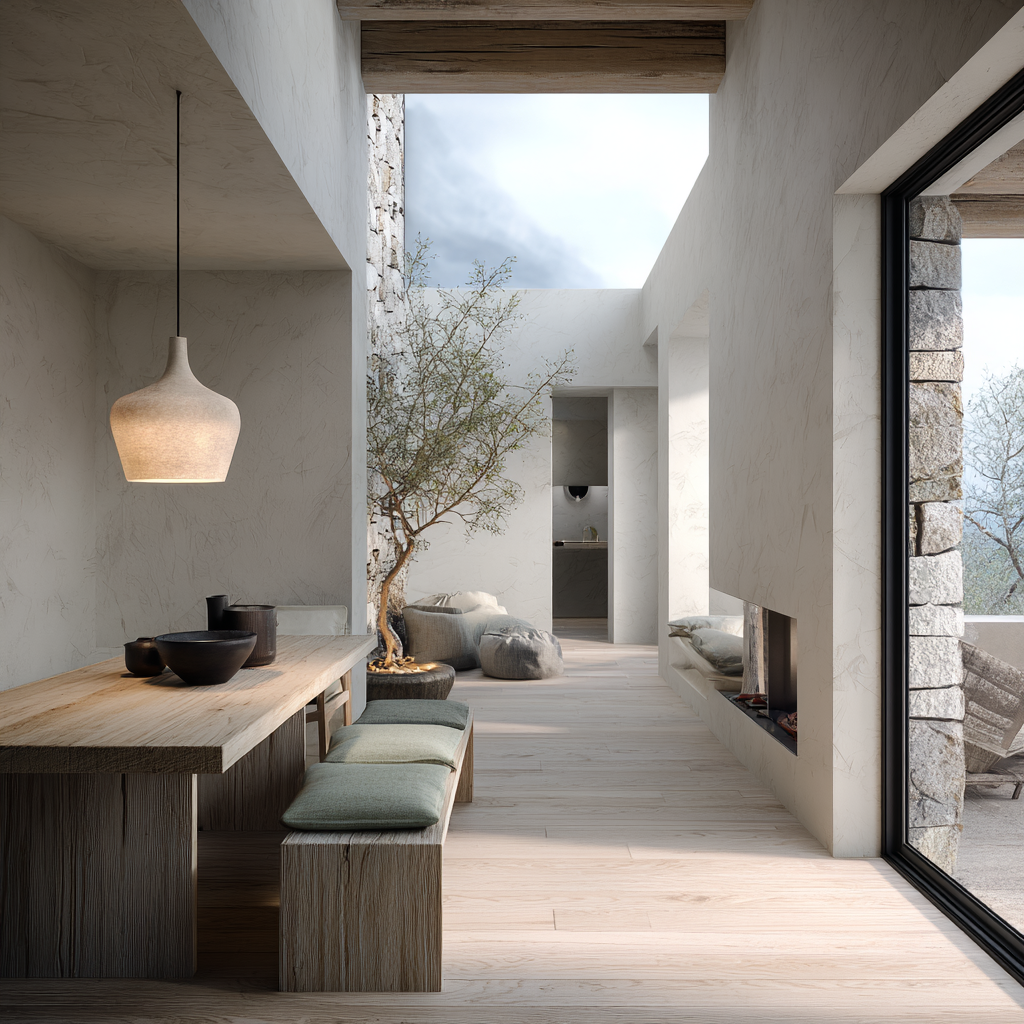
A very real example
Light plays a major role in our biological rhythm.
And here I want to share a small but very real example that you may have experienced yourself at some point.
When I was a child, I remember experiencing a total eclipse for the first time.
And something happened that I never forgot.
In the middle of the day, everything suddenly began to darken.
The sky changed.
The light dropped.
The atmosphere felt strange — as if evening had arrived too early.
But the most interesting part was not the eclipse itself.
It was what happened around us.
We started noticing how animals began looking for places to rest.
They became unsettled.
They moved differently.
They started preparing to sleep.
As if the day had already ended.
At that age, I didn’t fully understand what was happening, but the moment stayed with me.
Why did that happen?
Because their circadian rhythm was responding to the light.
They were not thinking about it.
They were not analyzing the situation.
Their biology simply reacted.
The light changed — and their bodies responded.
And exactly the same thing happens to us.
Our brains respond to light automatically.
They begin adjusting our energy levels, alertness, and internal rhythm without us even realizing it.
Your home should support your rhythm
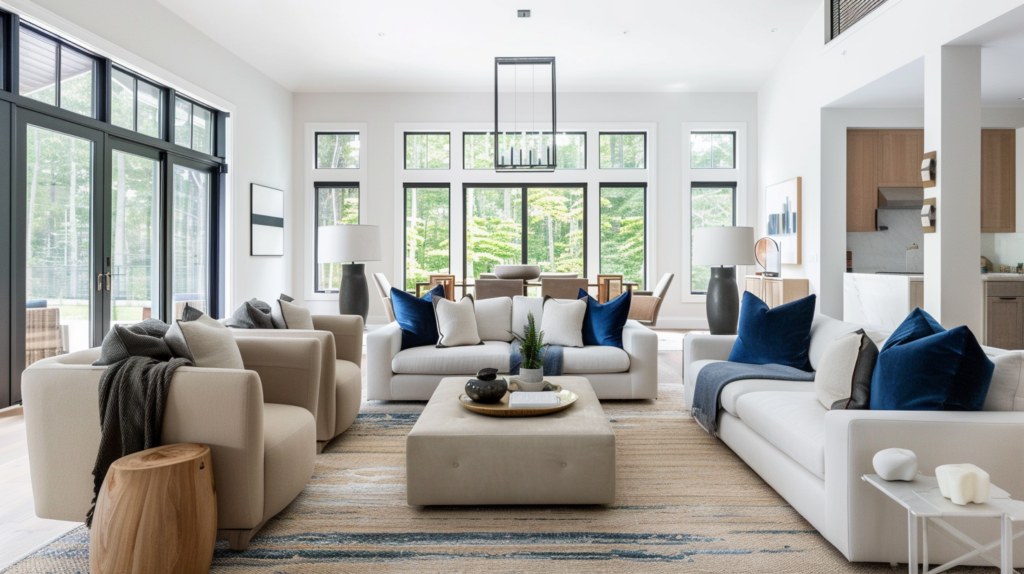
Think about this:
Your home should help you wake up in the morning.
It should help you focus during the day.
And it should help you disconnect at night.
But for that to happen, the lighting has to shift with you.
It cannot remain the same all day long.
During the day, you need more clarity.
In the evening, a softer transition.
At night, warmer, calmer, more contained light.
This creates a quiet language between your space and your body.
Light tells your brain what to do — without you needing to think about it.
Change begins with awareness
And let me tell you something: you do not need to redesign your entire home tomorrow.
But you can begin by observing.
How the light feels at night.
How your bedroom feels when you wake up.
How your workspace feels during the day.
Because once you begin noticing these things, you begin understanding that your environment is not neutral.
It is always influencing you.
And here’s the good news.
If, after observing the lighting in your home or home office, you realize there are areas that need improvement, there is something you can begin doing today.
I created a special resource for you — a blueprint you can download completely free.
Elevate Your Space: The Strategic Blueprint for Exceptional Leaders
Inside this blueprint, you’ll find practical recommendations to help elevate your environment, including lighting suggestions and bulb recommendations that can help improve your space intentionally and strategically.
You can download it directly from my website: https://mercedesquintanilla.com/download
I want to leave you with this:
Lighting is not only a design element.
It is a tool for well-being.
A tool for performance.
A tool for quality of life.
And when you begin to see it that way, your home stops being just a place where you live…
and becomes a space that truly supports you.
By Mercedes Quintanilla


Read the Comments +